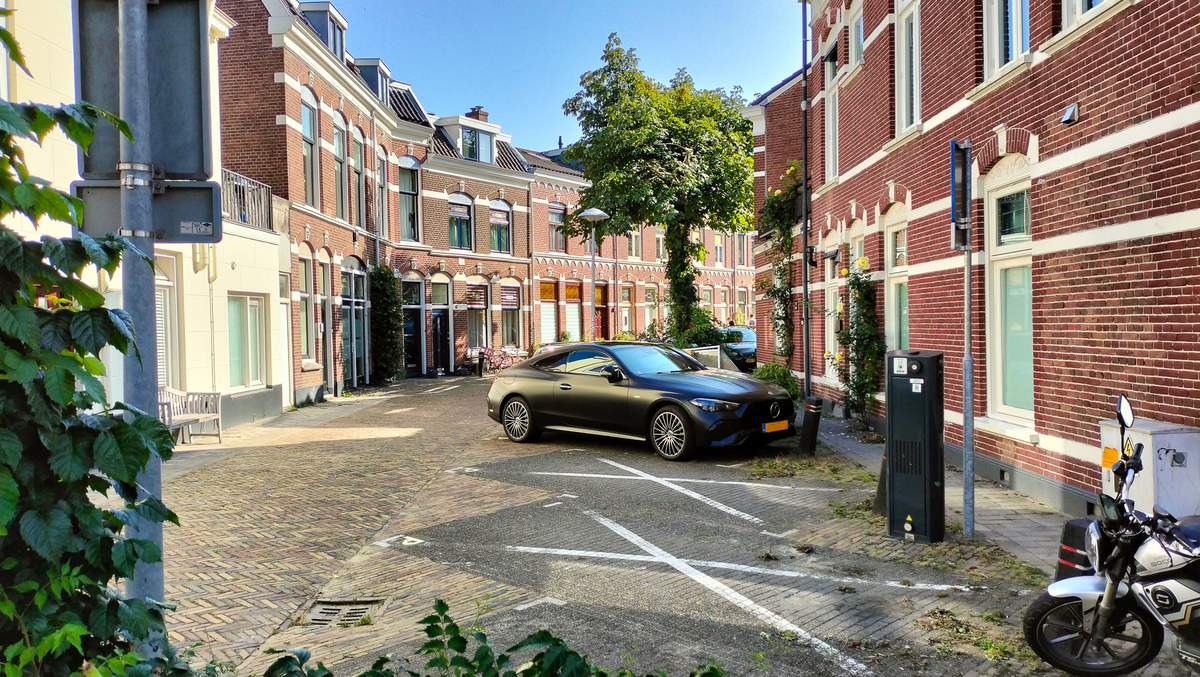
Over two hot summers, more than 160 residents of four Utrecht neighbourhoods helped map where the city heats up most. They took part in ‘Green Neighbourhood, Cool Neighbourhood’, a citizen science campaign run in 2024 and 2025 by the municipality of Utrecht, the province of Utrecht and the Nature and Environment Federation Utrecht, as part of Urban ReLeaf.
Using sensors, a smartphone app, questionnaires, neighbourhood walks and conversations, residents gathered data and shared their knowledge and experiences. This helped make hot and cool places more visible and opened up discussion around heat stress in the city.
As Urban ReLeaf enters its final months, this article looks back at three years of collaboration in the neighbourhoods of Ondiep, Zuilen, Kanaleneiland and Rivierenwijk.
What did the campaign discover?
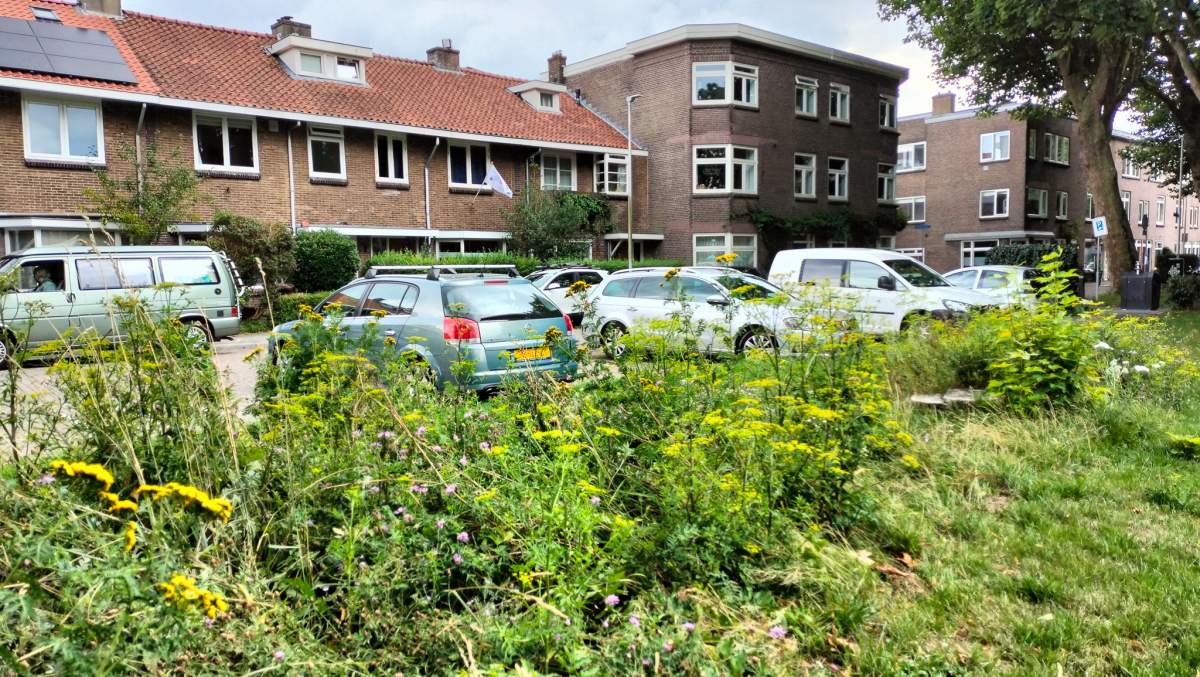
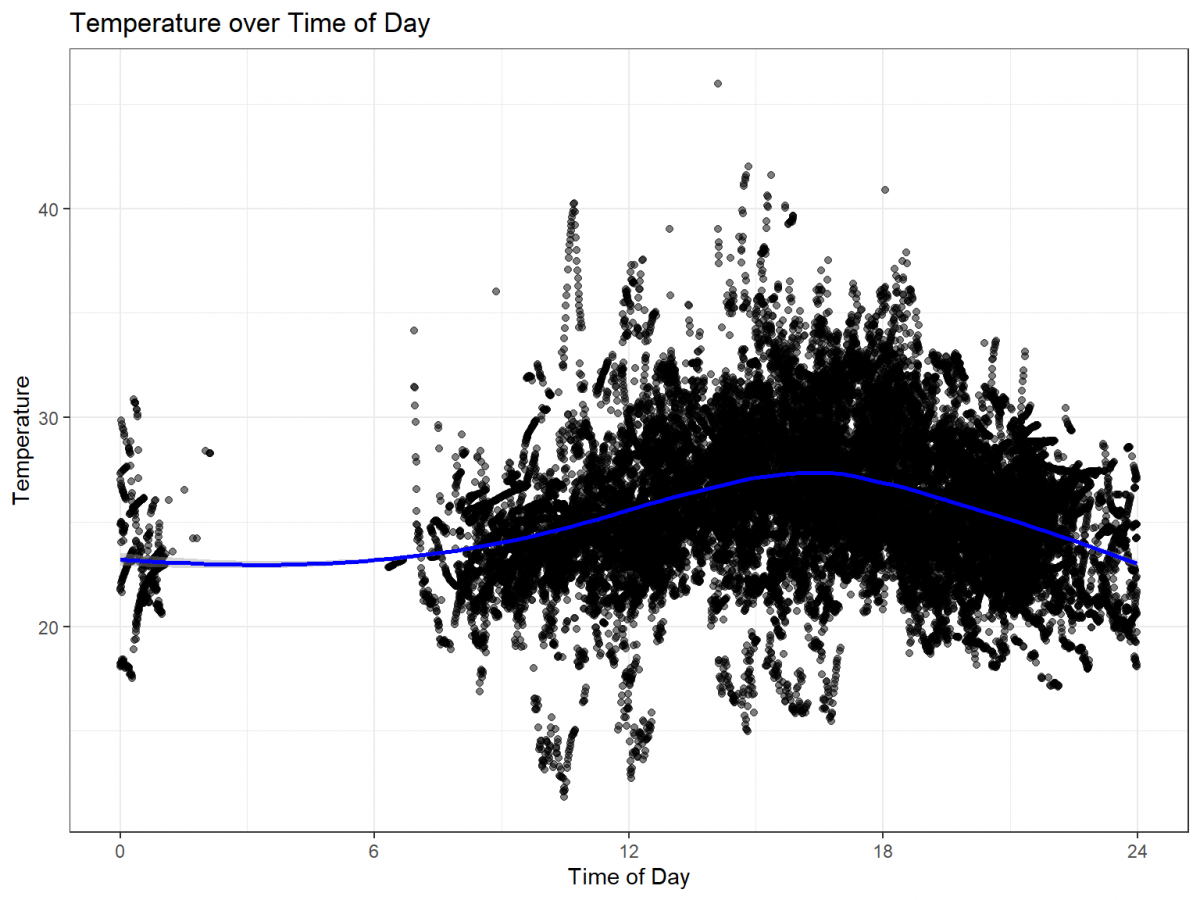
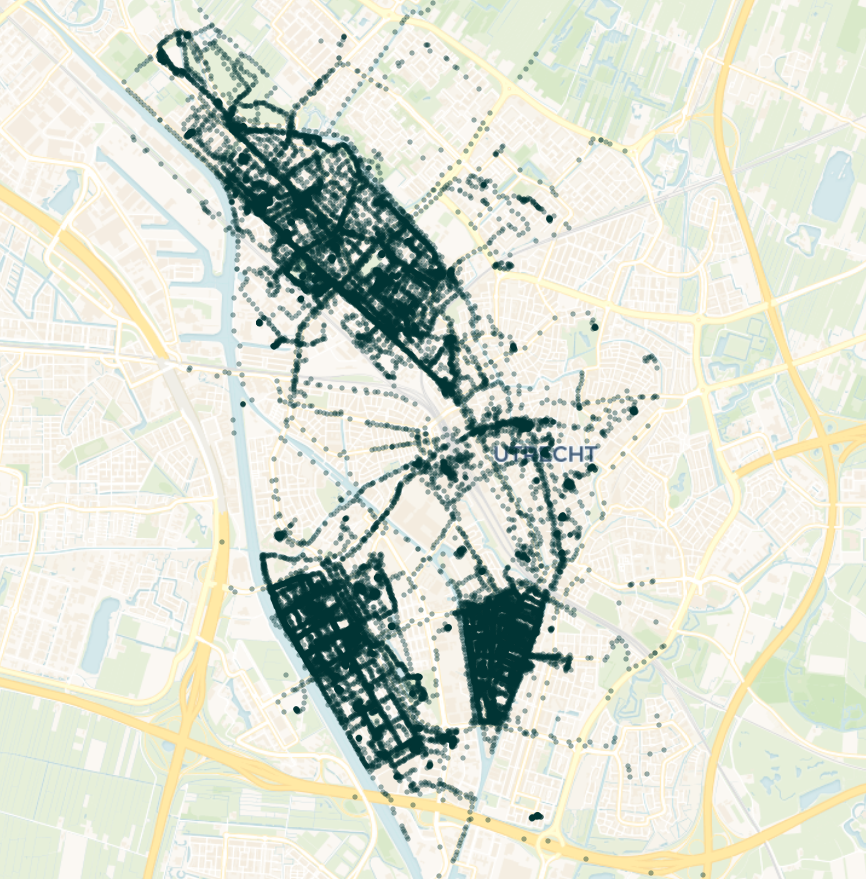
Thanks to the participant’s efforts, approximately 80,000 measurements were collected and almost 280 places were designated as remarkably warm or cool.
The results show that:
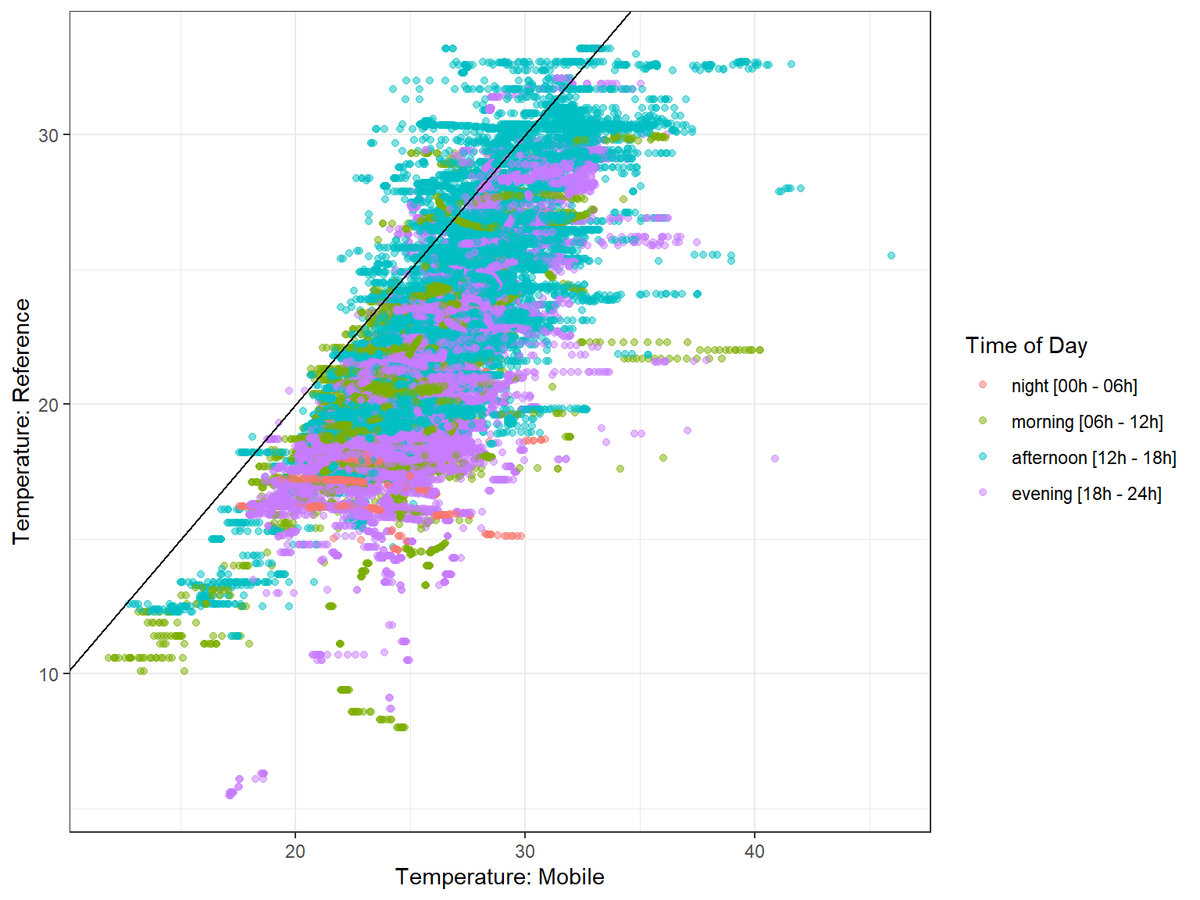
- The city heats up significantly faster and stays warm during hot days. Measured temperatures in the four neighbourhoods, which have little greenery, were on average 5 degrees Celsius higher than at the KNMI measuring point in De Bilt.
- Greenery and shade have a clear cooling effect. Large parks, such as the Julianapark, provide cooling during hot days. However, the extent of the cooling effect of greenery at street level could not be reliably determined from these measurements.
- Residents have a great deal of knowledge about their neighbourhoods. They know where heat is a problem, where cooling can be found and what could help reduce heat locally.
- Heat stress is not just a matter of measuring temperature and humidity in the traditional way. The experience of heat differs enormously between people and places, which can help determine which solutions will be effective in a neighbourhood during hot summers.
- Residents’ experiences are a valuable addition to existing climate data and models. However, measurements with wearable sensors alone were not enough to draw firm conclusions. In future measurement projects, the team recommends combining them with a number of fixed measuring points. It also advises investigating a few specific places, routes and times rather than measuring everywhere at once, which would allow reliable conclusions to be reached faster.
What did the campaign learn about measuring together?
A key question for the campaign was how residents can collect useful information about their own environment, and in doing so start a conversation about topics such as heat stress. A second question followed: how can solutions be found?
Over time, the campaign team discovered what it takes to do this well and how it could be organised better in future. The most important conclusion is that citizen science has real value. Residents want to be actively involved in their own neighbourhood. They are able to gather new information in a short amount of time, and they often know their neighbourhood better than anyone else.
At the same time, the campaign showed that collecting reliable measurement data can be complicated. The sensors and app did not always work optimally, and the measurements were not distributed evenly enough across locations and times to allow reliable, detailed statements about everything. As a result, not all the measurement data was suitable for the planned analyses.
The campaign team also concluded that it should have enlisted the help of a knowledge institute, such as the KNMI or the RIVM, from the start. With a clearer measurement strategy, user-friendly technology and expert guidance, the quality of the data could have been improved and the analysis completed more quickly. Because the campaign took longer than expected, participants had to wait a long time for feedback on the results.
Collaboration is just as important as the measurements
The campaign was not just about measuring temperature. Through neighbourhood meetings, neighbourhood safaris, façade garden workshops and analysis sessions, residents got to know each other, and new conversations about greener, cooler neighbourhoods arose. Newsletters, meetings and message groups kept participants informed during the measurement weeks and helped them with any technical questions.
A key lesson is that involving residents can make a major contribution to research and to the conversation about the future of their neighbourhood. Utrecht already has considerable experience of cooperation between residents and the municipality. With Green Neighbourhood, Cool Neighbourhood, the organisers explored how citizen science can strengthen this collaboration by actively involving residents in gathering knowledge about heat stress in their own neighbourhood.
What happens to the results?
The knowledge gathered through the campaign will be included in the policies of the municipality and the province for more greenery and for adapting the city to the changing climate. The results provide a better understanding of warm places in the city and the role of heat perception, and they support conversations about greening and climate adaptation. They will also help set priorities in Utrecht’s climate policy, including where efforts to tackle heat stress should be focused.
As Urban ReLeaf is an innovation and research project, there was no budget available to implement greening measures immediately. However, during and after the campaign, various ideas arose for more shade and greenery in the neighbourhoods. As a follow-up, funding has also been sought and secured for several local pergolas, which should offer residents a new shaded meeting place.