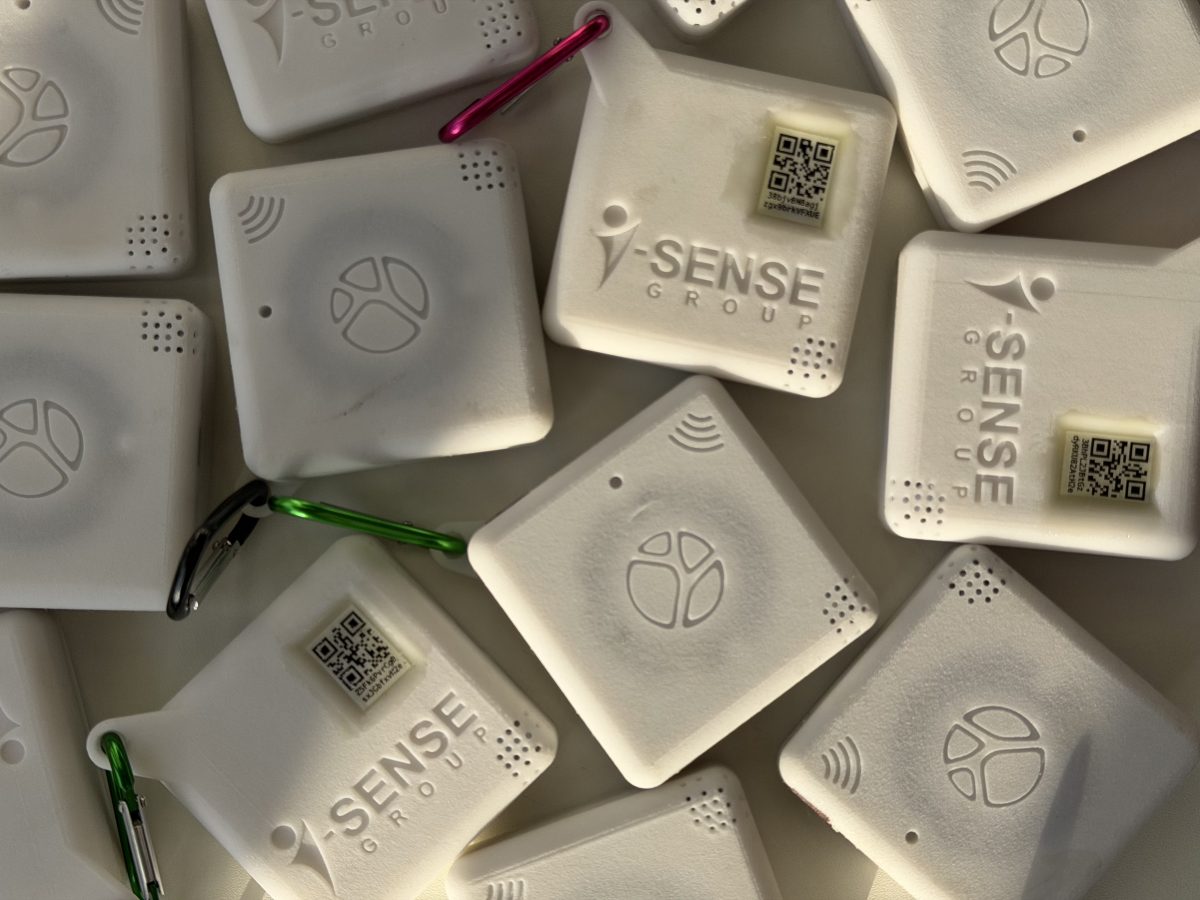
In Athens, DAEM is leading the Urban ReLeaf pilot activities and is collaborating with ICCS in order to understand how heat stress affects people across the city. For this citizen science campaign, DAEM onboarded the Department of Cleaning and Recycling of the Municipality of Athens.
This campaign focused on acquiring volunteer-based observations to address urgent climate issues related to heat stress discomfort. The end-users involved collected data on temperature, relevant humidity (TRH) and thermal discomfort using wearable sensors developed by ICCS.
Why This Campaign Matters
Athens faces some of the highest temperatures in Europe. Heat affects how people move, work and feel in the city, and has a direct impact on health. To effectively respond to this issue, Athens needs real observations from people who experience heat stress in their everyday routines.
The campaign focused on collecting volunteer generated TRH data using the wearable sensors. This information enables the city to identify areas of intense heat stress and target cooling and greening solutions where they will have the greatest impact.
How the Campaign Worked
n June 2024, Athens held a co creation workshop to shape the campaign during which outdoor municipal workers were identified as a group particularly exposed to high levels of heat.
The campaign was officially launched in June 2025.
DAEM collaborated with the Department of Cleaning and Recycling of Athens who played a central role in engaging end users and supporting participation.
Ninety-two volunteers across all seven municipal districts received sensors, expanding the campaign beyond its original plan for a single district. In the image below, the coverage of the campaign in the whole Athens area is depicted.
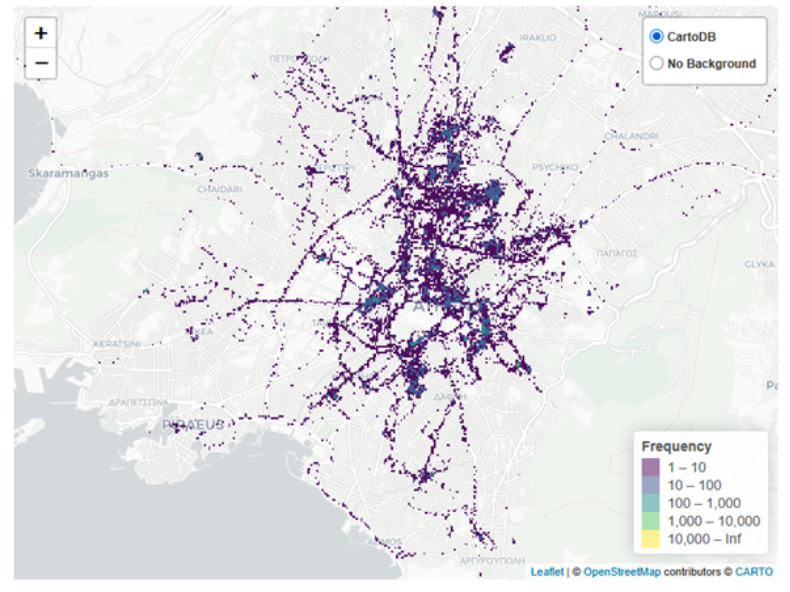
Coverage area of TRH Athens campaign
Participants were provided with sensors and could also report moments of thermal discomfort using a button on the device. All TRH measurements were transmitted to the Urban ReLeaf EcoPulse online platform.
Key Findings from the Campaign
The campaign achieved strong engagement and high-quality data. In total:
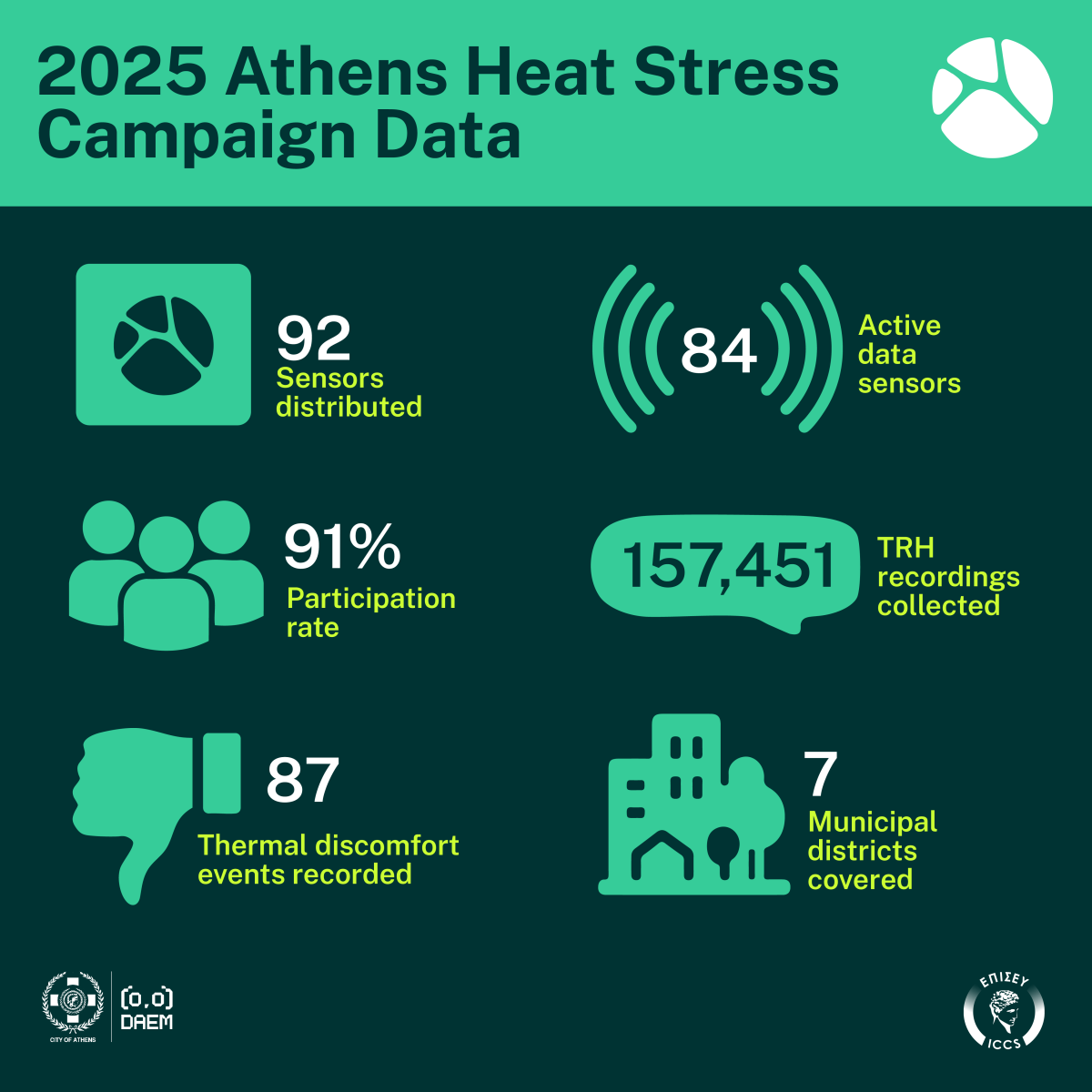
- 92 sensors were distributed
- 84 successfully recorded and transmitted data
- Hence, over 91% participation rate was achieved by the campaign
- 157.451 recordings were captured across the Athens area
- All environmental data was validated against official weather forecasting sources.
Thermal discomfort was recorded 87 times during the summer. The highest temperatures occurred on 25 July 2025. On that day, the Cleaning Department activated its heatwave protocol, pausing outdoor work by 11.30 in the morning. The data gathered through the campaign helped confirm the importance and effectiveness of this policy.
The team also observed that thermal discomfort is influenced by personal and environmental factors such as age, health, hydration, clothing and the length of time someone spends in the heat.
Next Steps
The findings of the campaign will support the wider climate adaptation goals of the City of Athens. The data will inform actions designed to reduce heat exposure and mitigate the urban heat island effect.
Future initiatives already being planned include:
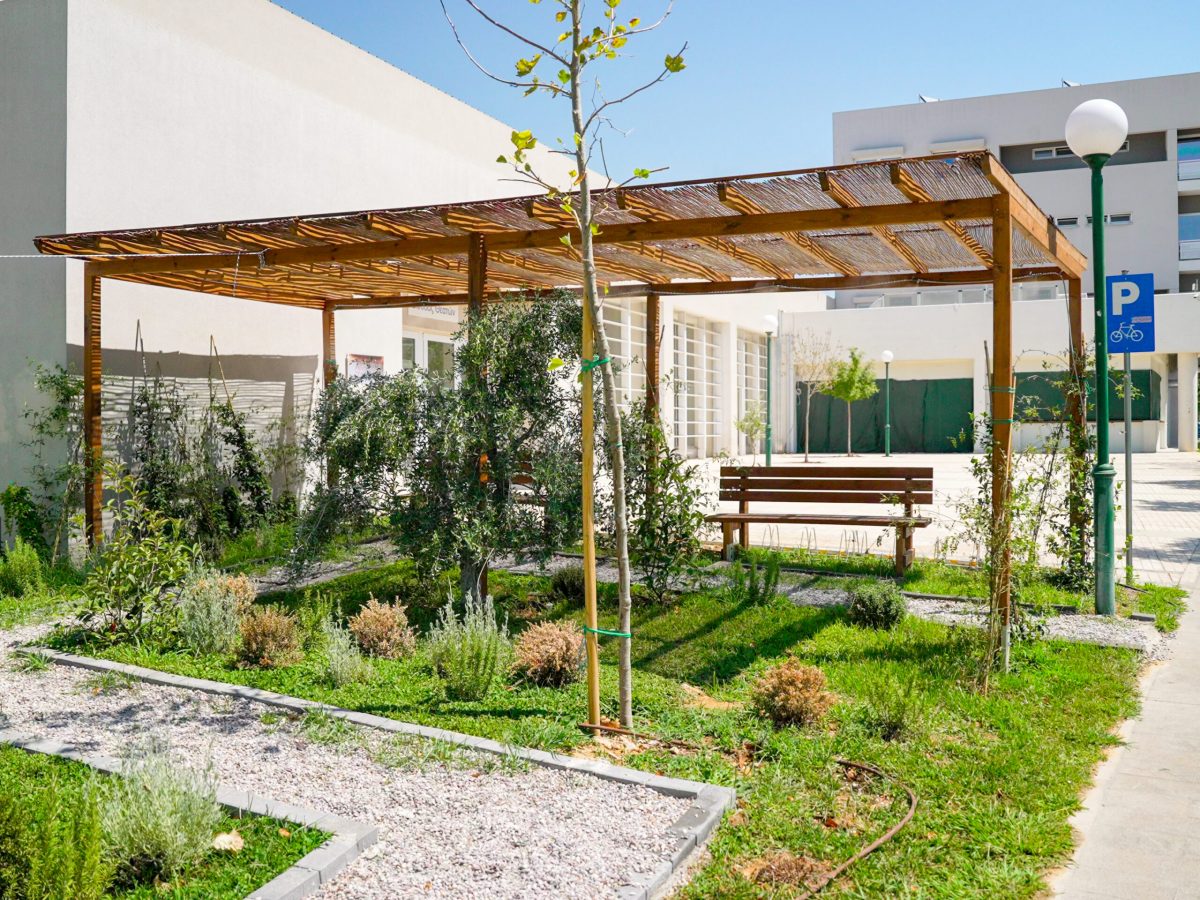
- Cooling and protection stations in areas with high heat exposure
- Greenery and shade structures
- Surfaces and systems that release evaporative cooling
- Misting points and water stations for hydration and immediate relief
These interventions aim to improve comfort and safety for residents, workers, and visitors, particularly in parts of the city where shade and cooling options are limited.
The case of the Athens campaign highlights the importance of citizen generated data in understanding how cities can effectively respond to a changing and more extreme climate.