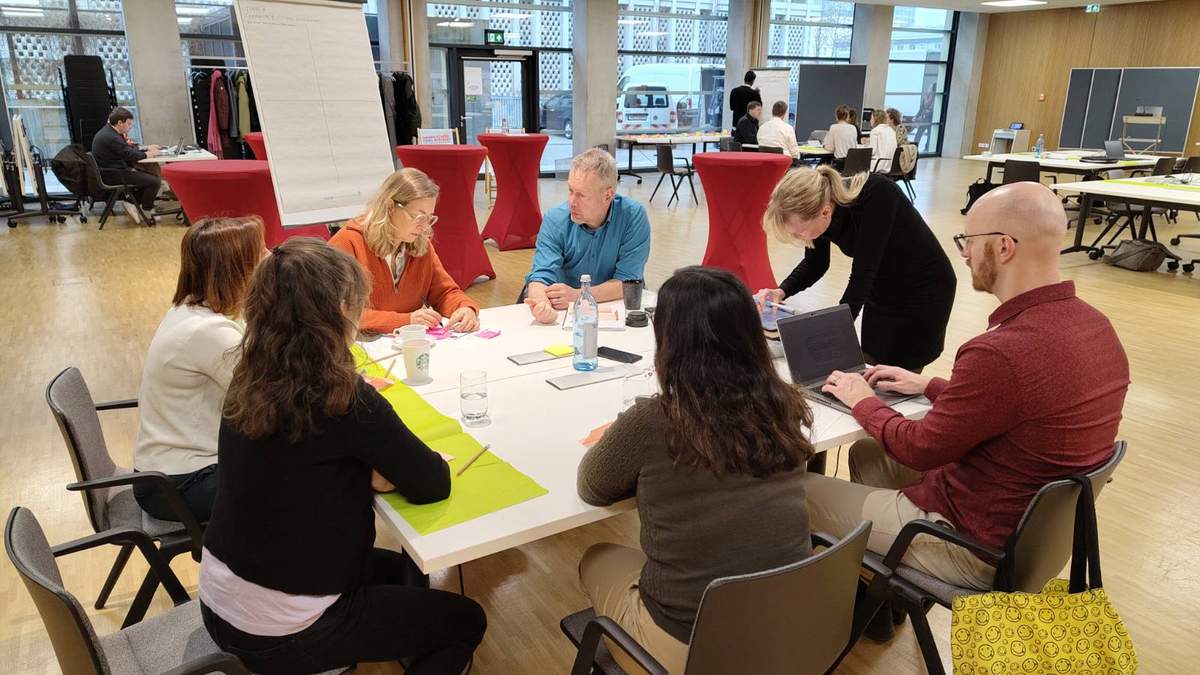
Earlier this year, Urban ReLeaf partners, including citizen science practitioners from academia, public administrations and city networks, gathered in our partner city of Mannheim for three days of collaborative reflection, knowledge exchange, and discussion. Here, we summarise the key insights from the World Cafés on Community and Citizen Engagement, From Citizen Data to Policy Action as well as Institutional Capacity, Enabling Conditions and Shared Responsibility.
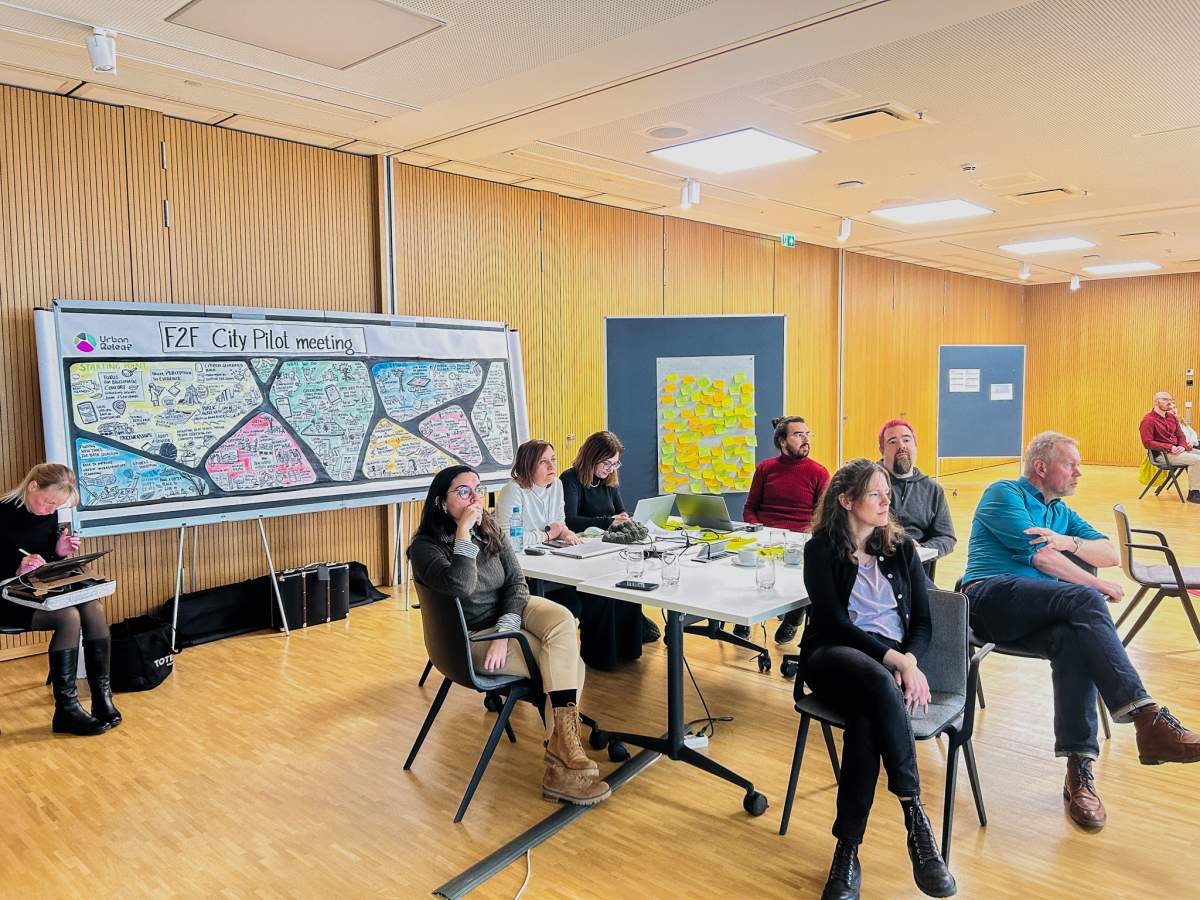
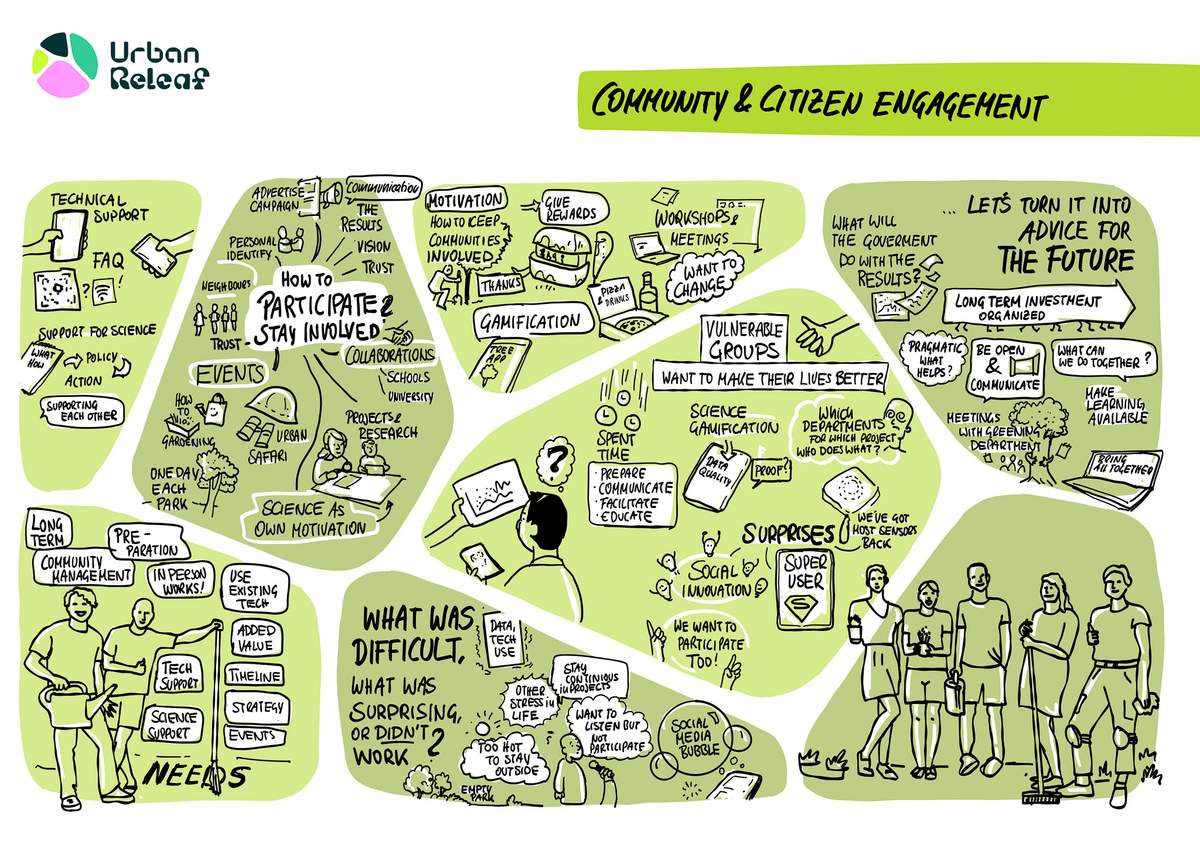
Community and Citizen Engagement
The discussions on community and citizen engagement highlighted that successful participation is built from trusted relationships. Engaging vulnerable or underrepresented groups often requires sustained, face-to-face engagement and sensitivity to people’s circumstances, with citizen science not necessarily being the right approach for every community at every point in time. Trusted intermediaries such as NGOs, schools, teachers and community gatekeepers from local organisations can help build connections between citizens and municipalities.
Discussions also emphasised the importance of making participation meaningful, accessible and clearly connected to tangible outcomes, while ensuring that technology supports rather than complicates engagement. Clear communication, reliable tools, timely feedback and stronger collaboration within public administrations were identified as important foundations for maintaining participation and trust.
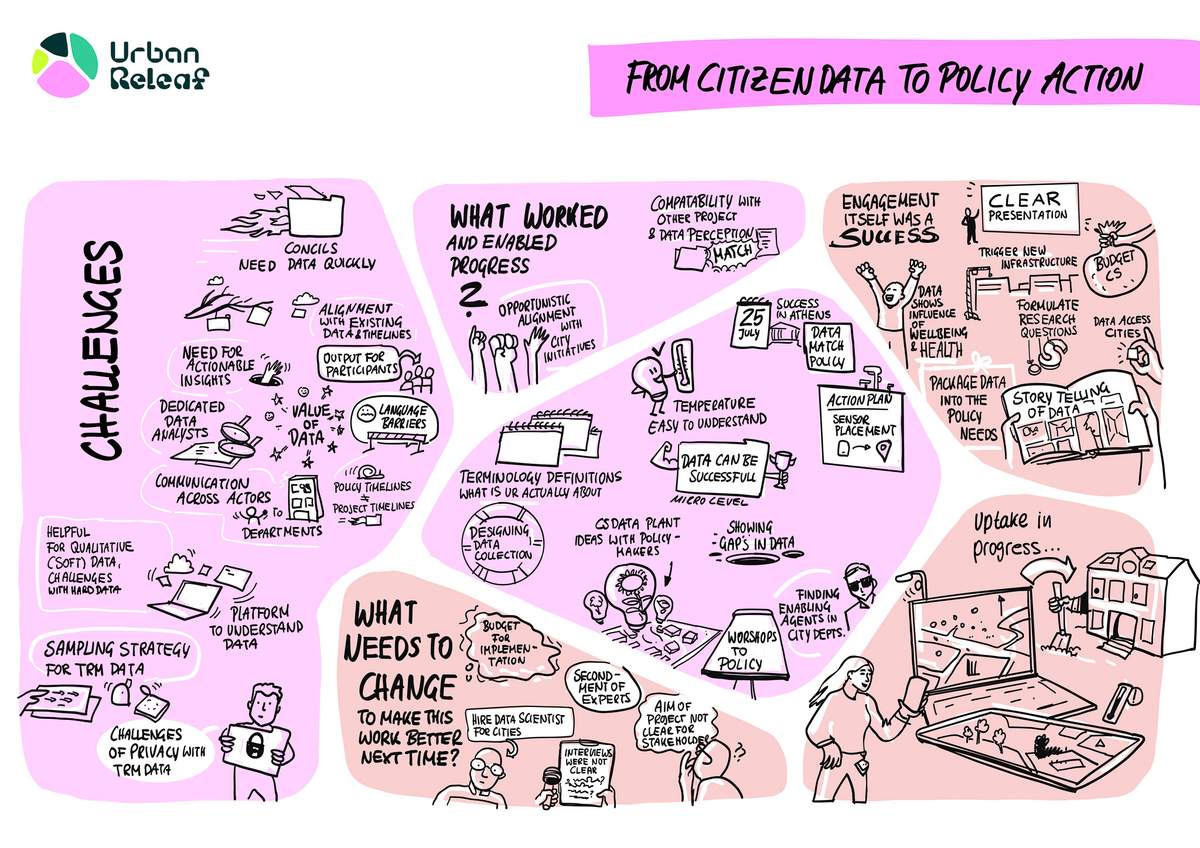
From Citizen Data to Policy Action
The second discussion focused on the challenge of moving from data collected and shared by citizens to meaningful policy and planning outcomes. Cities often need actionable information within much shorter timeframes than those of research and innovation projects, while data must also meet the requirements of quality, relevance, privacy and comparability before it can inform decisions. Discussions stressed the importance of defining data needs and intended uses early, and of connecting citizen data with existing administrative datasets, processes and policy priorities.
Building data-analysis capacity within municipalities, strengthening communication between researchers and city departments, and translating datasets into clear insights and policy messages were seen as challenging but essential steps towards ensuring that citizen science contributes to concrete action rather than remaining primarily a data-collection or public engagement exercise.
Institutional Capacity, Enabling Conditions and Shared Responsibility
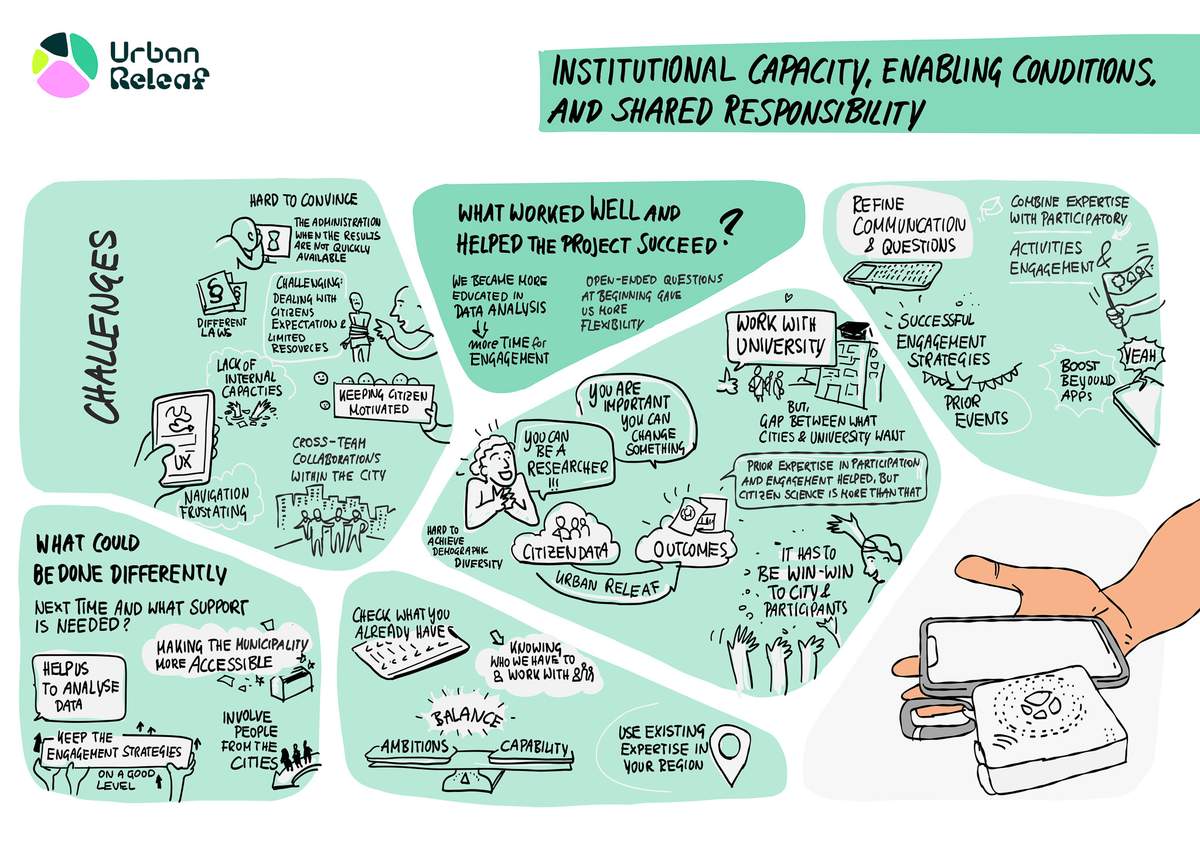
The third discussion highlighted the institutional conditions needed to embed citizen science within city administrations. Limited internal capacity, competing priorities, changing organisational structures and unclear roles can all make it difficult to sustain citizen science beyond an individual project. Discussions emphasised the need to assess existing skills and expertise early, establish clear responsibilities, and bring the right people and organisations together from the outset. Starting with a clear understanding of what a city intends to do or needs to know, why the approach or information matters and how results will be used can help balance ambition with available capacity.
Finally, projects should consider their legacy from the beginning: building internal ownership, connecting citizen science to existing strategies and processes, and ensuring that knowledge, skills, relationships and data can continue to create value after the project has ended.
In the upcoming months, Urban ReLeaf will release three key publications consolidating learnings across pilots and projects: the Adaptive Co-Governance Model for Data-Driven and Inclusive Urban Greening, the Urban ReLeaf Toolkit, and the Urban ReLeaf Adoption Roadmap for the uptake of citizen science by city administrations. Stay tuned!