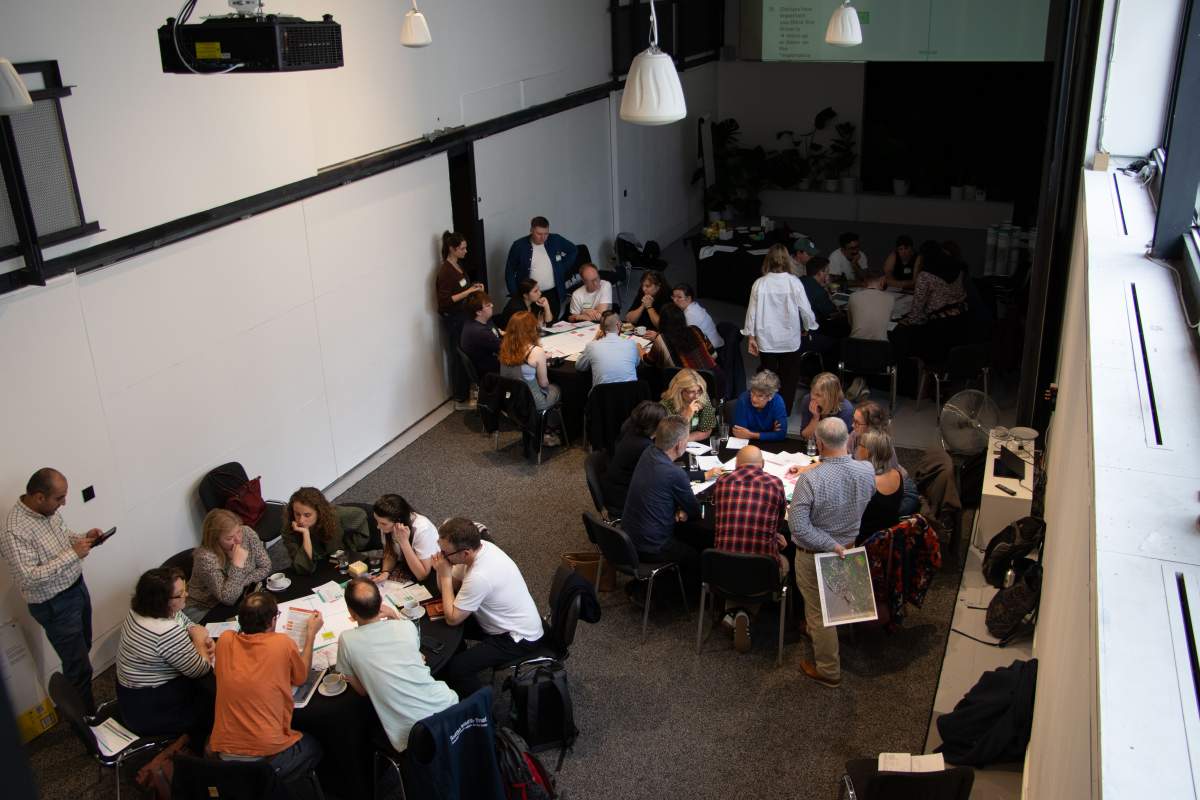
What if Dundee became a green city by 2070? And what would it take to get there?
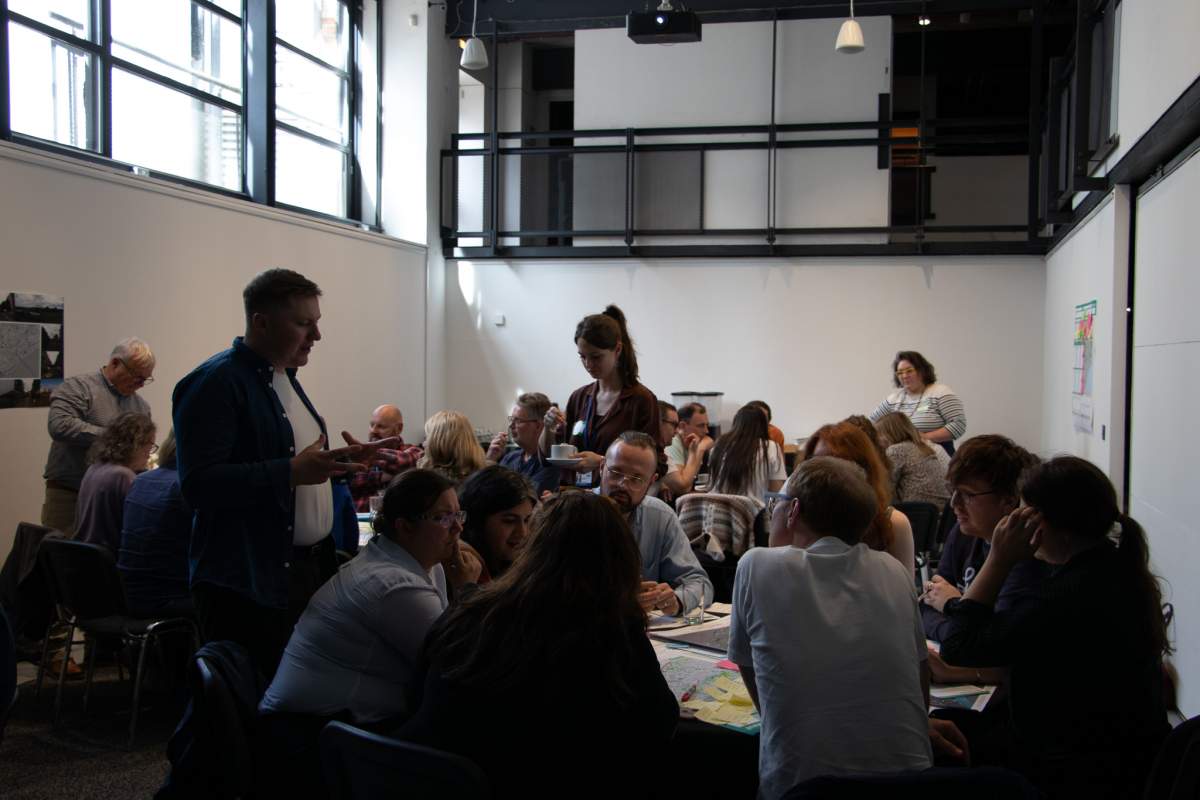
That question was at the heart of a scenario-planning workshop hosted by the University of Dundee and Dundee City Council. It brought together urban planners, policymakers, public bodies, health practitioners, community organisations, infrastructure specialists and researchers. They explored how blue and green infrastructure, from trees and parks to rain gardens, SUDS and water courses, could help create a more liveable, resilient and inclusive city centre, both in the near future, and in the decades to come.
Whose future are we planning for?
Planning for greener cities raises an important question: whose knowledge and priorities shape their future? Research by the Urban ReLeaf team highlights the importance of involving people in shaping future scenarios from the outset, rather than seeking their input only once plans are developed. This principle informed the Dundee workshop, bringing together diverse perspectives to explore how blue and green infrastructure could help shape the city’s future.
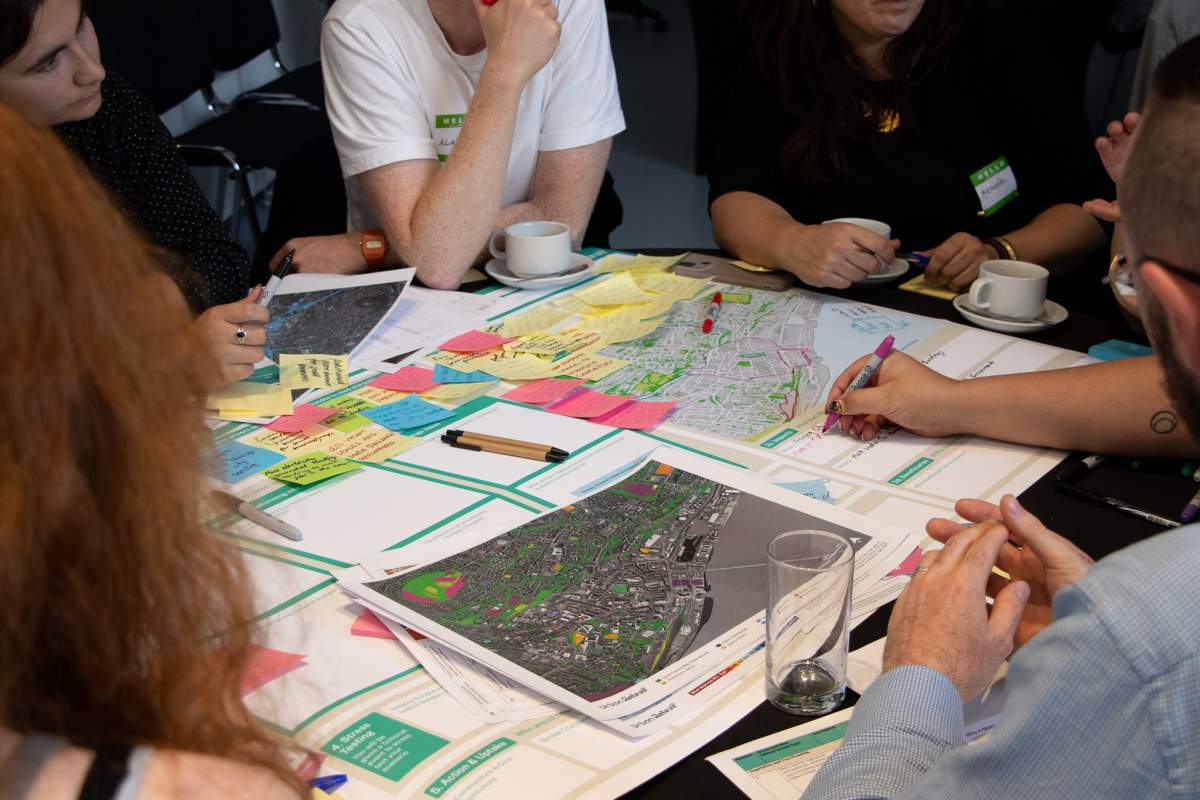
Why scenarios matter
Cities must plan for the long term, but the future rarely follows a predictable path. Rather than trying to predict a single outcome, scenarios help us explore different possibilities, challenge assumptions and make better decisions today.
For Dundee, the challenges are already taking shape:
- Hotter summers: Rising temperatures could increase the risk of urban heat.
- Wetter winters: Increased rainfall, river flows and rising sea levels could heighten flood risks.
- Health inequalities: Life expectancy varies by almost 10 years across Dundee, highlighting the importance of creating healthier places for everyone.
- Vacant and unused spaces: Dundee holds a growing stock of vacant urban land. In Scotland’s smallest local authority, this is a potential strategic asset.
- An older and changing population: Dundee’s population is projected to grow modestly by the late 2040s.
- A changing city centre: The Future City Centre vision aims to double the number of people living in the centre and support 3,000 jobs.
Blue and green infrastructure can help Dundee respond by cooling streets, managing rainwater, supporting nature and improving health and wellbeing. But where should these interventions go, who should benefit, and what decisions are needed to make them happen?
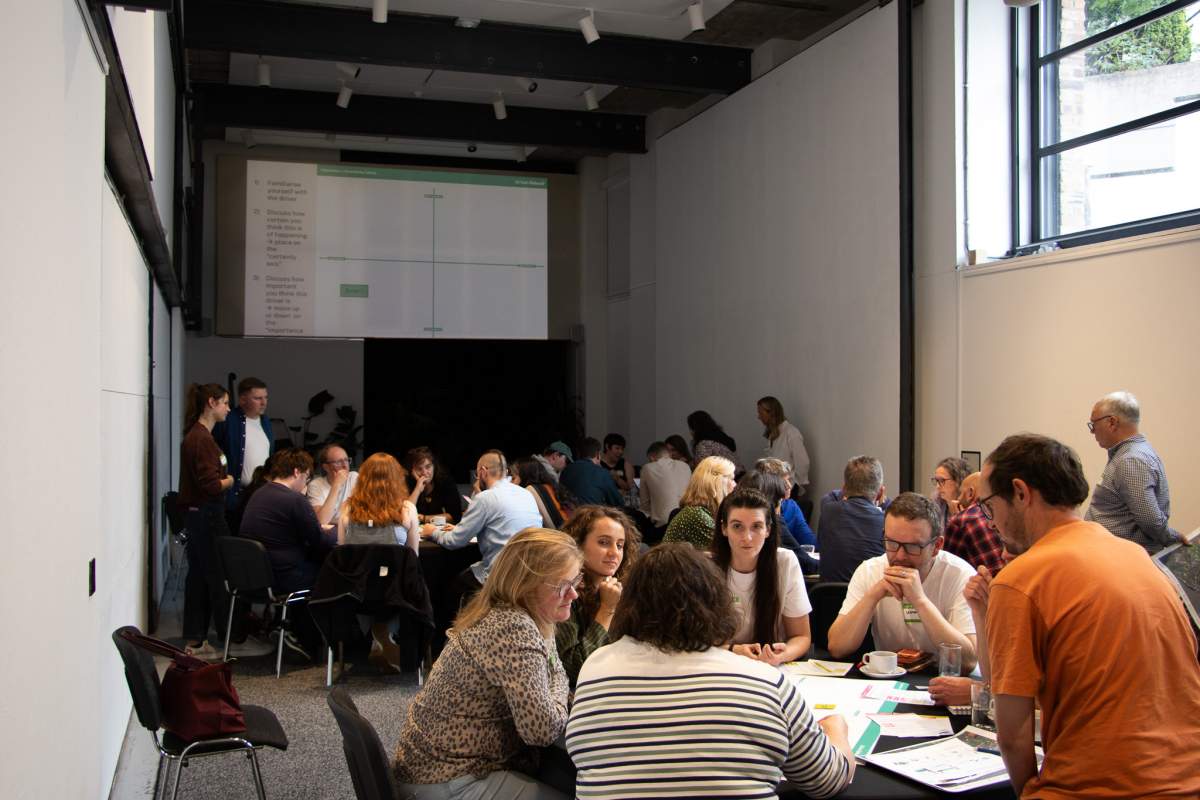
From data to future scenarios
The workshop drew on Urban ReLeaf Dundee’s citizen science data on how people use and experience green spaces, alongside local environmental data, climate projections and existing city plans.
Participants worked in groups using 13 Dundee Driver Cards, covering six themes: climate and nature; people and health; housing and the economy; energy; transport and the built environment; and governance and capacity. The cards highlighted trends, policy ambitions and uncertainties that could shape Dundee’s future, while participants could add factors they felt were missing.
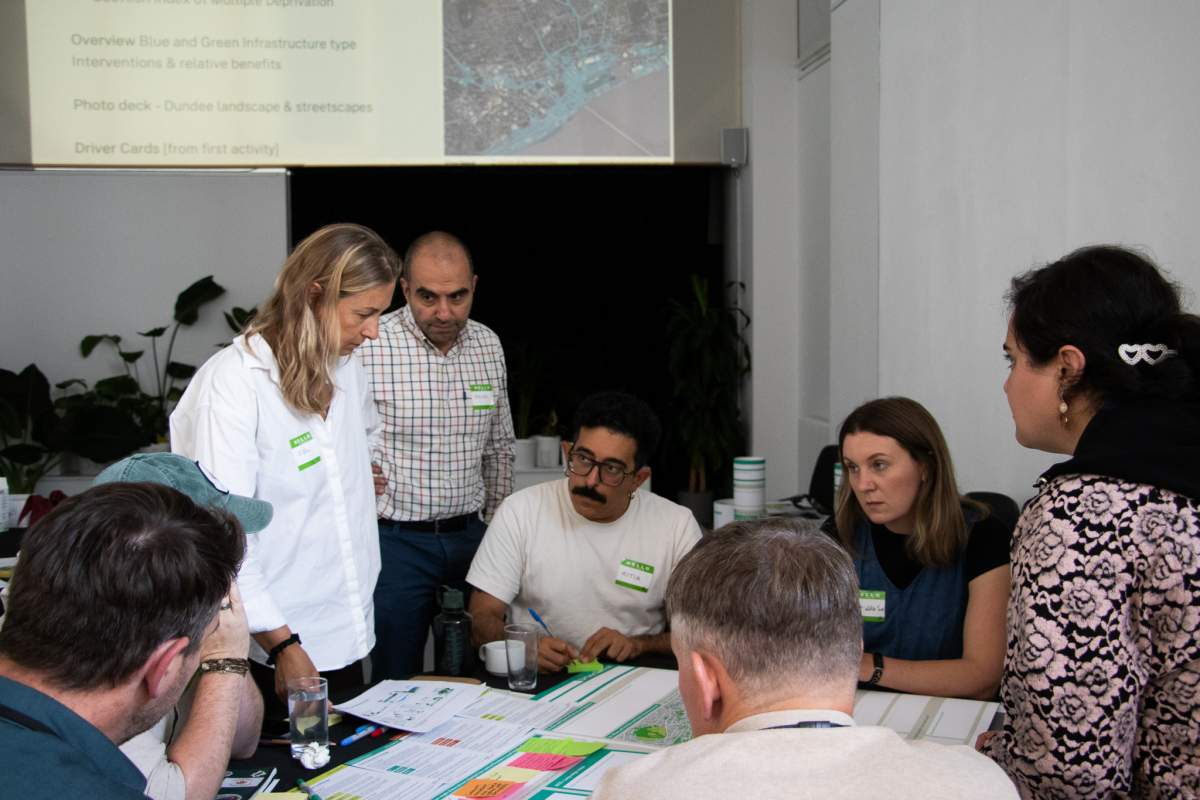
Each group identified the changes most likely to influence the city, explored where blue and green infrastructure could make the greatest difference, and considered who might benefit, or be left behind. They then imagined a future for Dundee in 2070 and worked backwards to identify the decisions and actions needed by 2050 and 2030.
Finally, groups tested their scenarios against hypothetical challenges, including extreme flooding, prolonged heatwaves and rising property values. This helped reveal potential risks, opportunities and inequalities, as well as the actions needed from communities, local and national government, the health sector and investors.
Four possible futures for Dundee
The workshop developed four initial scenarios, each offering a different perspective on how Dundee could evolve by 2027 and how blue and green infrastructure could help shape that future.
Bring Back the Burn explores reconnecting the city with the Scouring Burn through a blue-green corridor that also supports active travel.
Back to Our Roots imagines community-led green spaces and growing areas on vacant land, strengthening local wellbeing and resilience.
Wander-Ring Road: a connected circular green route that reimagines movement and public spaces
3 C’s Dundee (Cool, Care, Connect): inclusive, climate-responsive, connected places
What happens next?
The developed scenarios can help articulate a bold vision, supported by a clear set of actions and milestones that can make a positive difference across a range of possible futures. They also provide a framework for identifying where decisions may need to adapt as circumstances change.
The workshop highlighted the value of combining research, local knowledge, and diverse professional perspectives to explore shared challenges and opportunities. Participants considered not only what Dundee might become, but also what needs to happen now to move towards a greener, more resilient, and more inclusive city.
The Urban ReLeaf team is now refining and digitising the workshop outputs, using maps and spatial visualisations to bring the scenarios to life. These outputs will be shared with participants to support further discussion and refinement, and to help shape the next steps towards a shared bold vision underpinned by a clear set of actions and milestones.
Thank you to everyone who contributed their time, knowledge, and ideas to help imagine a greener future for Dundee.
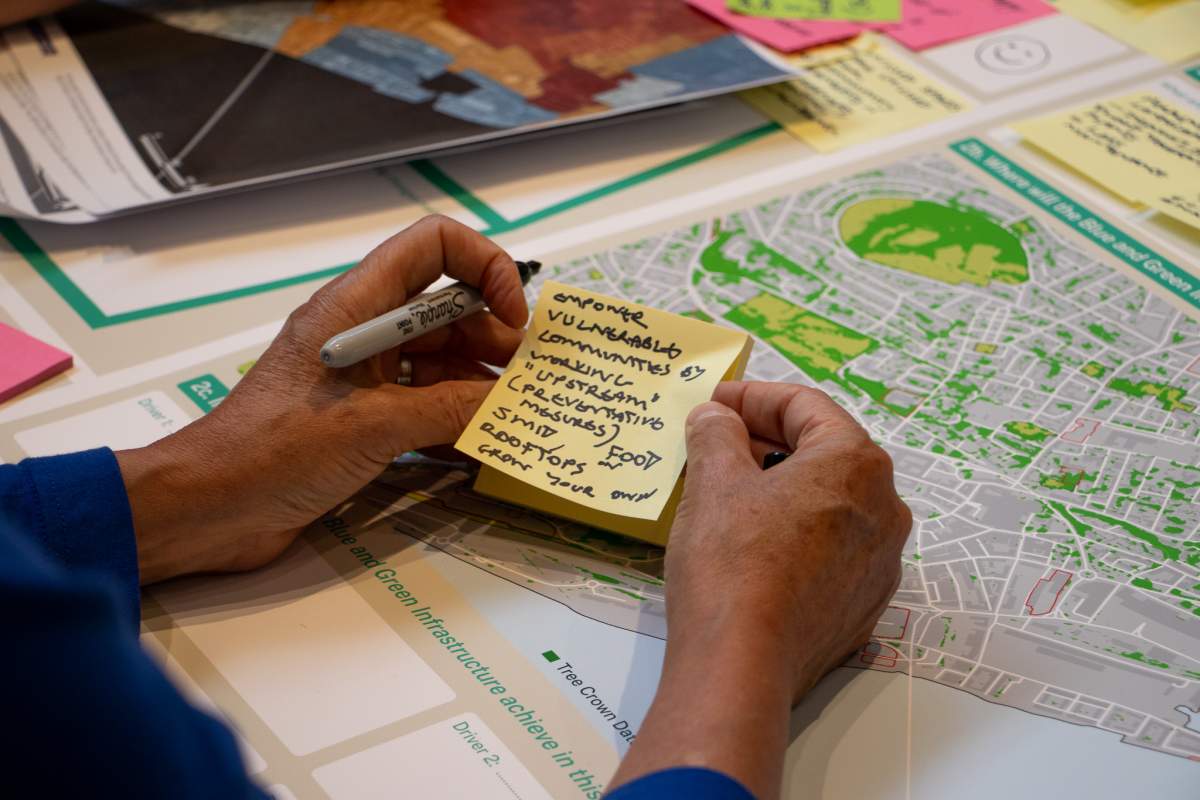
The workshop was grounded in our recent paper which Maps the Role of Citizens in Shaping Green-Blue Urban Futures and drew upon the cumulative knowledge, discussions, and lessons emerging from the Community of Practice Scenario Spotlight and Futures event series conducted between 2023 and 2026.