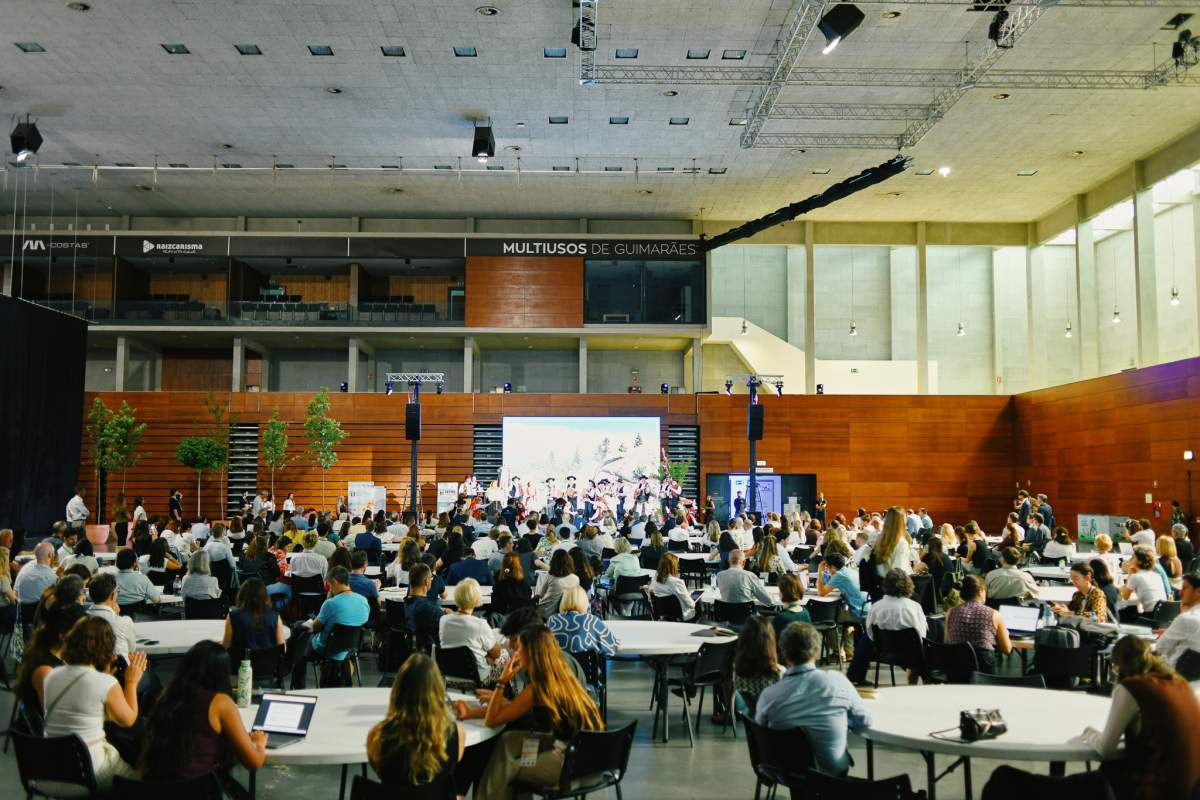
How can cities move from isolated citizen science initiatives to lasting, systemic change?
This question shaped Urban ReLeaf’s contribution to the European Urban Resilience Forum (EURESFO) 2026 in Guimarães, Portugal, where project partners, city representatives, and practitioners came together to explore how citizen participation can strengthen climate resilience and urban governance.
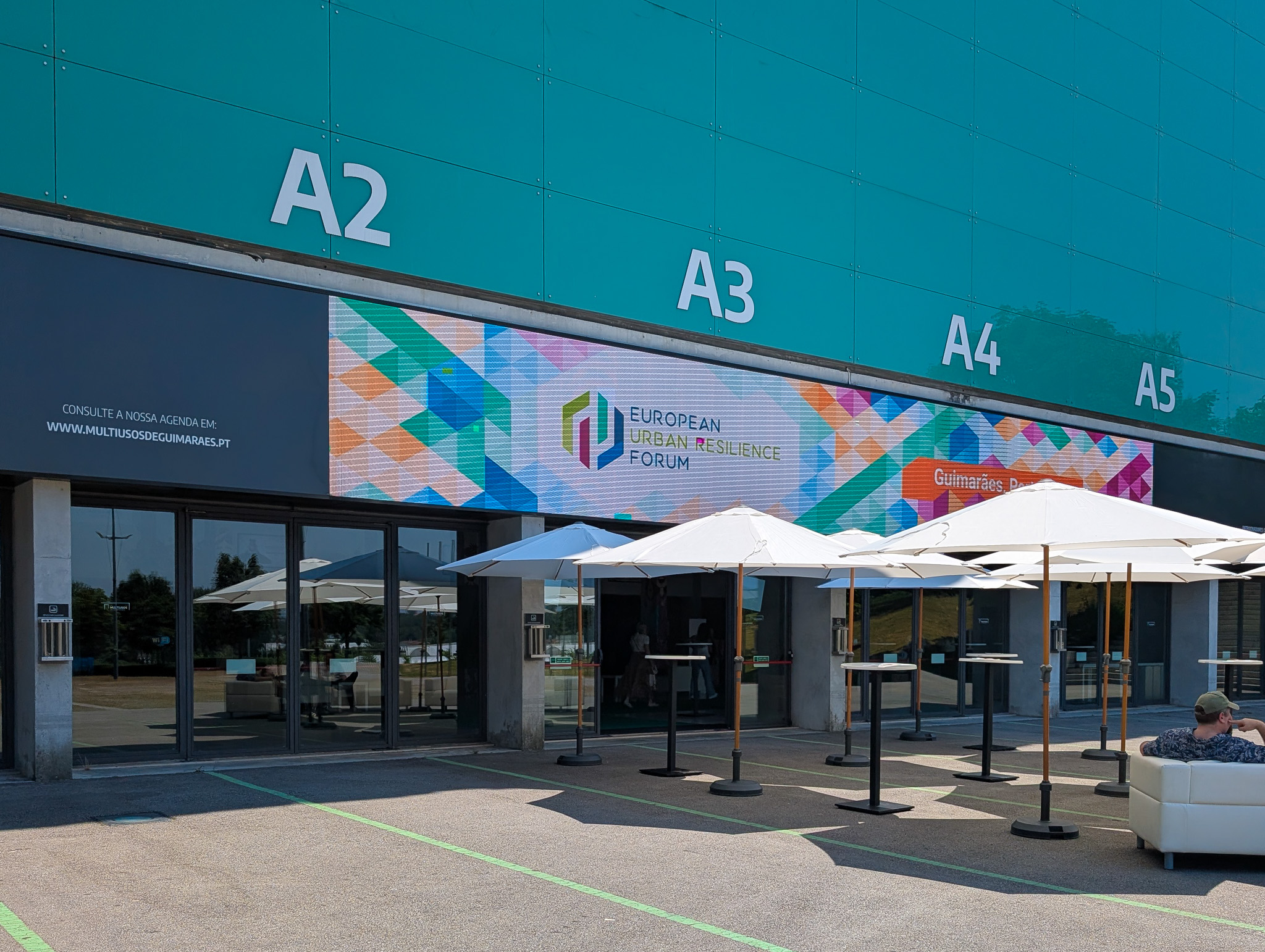
Urban ReLeaf’s programme began with its first in-person Accelerator Workshop, bringing together representatives from the project’s six Pilot Cities and the newly selected Accelerator Cities. Through a World Café and collaborative road-mapping exercises, participants exchanged experiences, reflected on both successes and challenges, and identified concrete actions to strengthen citizen science in their own local contexts.
By focusing on practical lessons learned rather than idealised examples, the workshop reinforced the value of peer learning in supporting cities as they adopt citizen-powered approaches to climate action.
Throughout the forum, Urban ReLeaf partners also contributed to discussions on participation, inclusion, and governance.
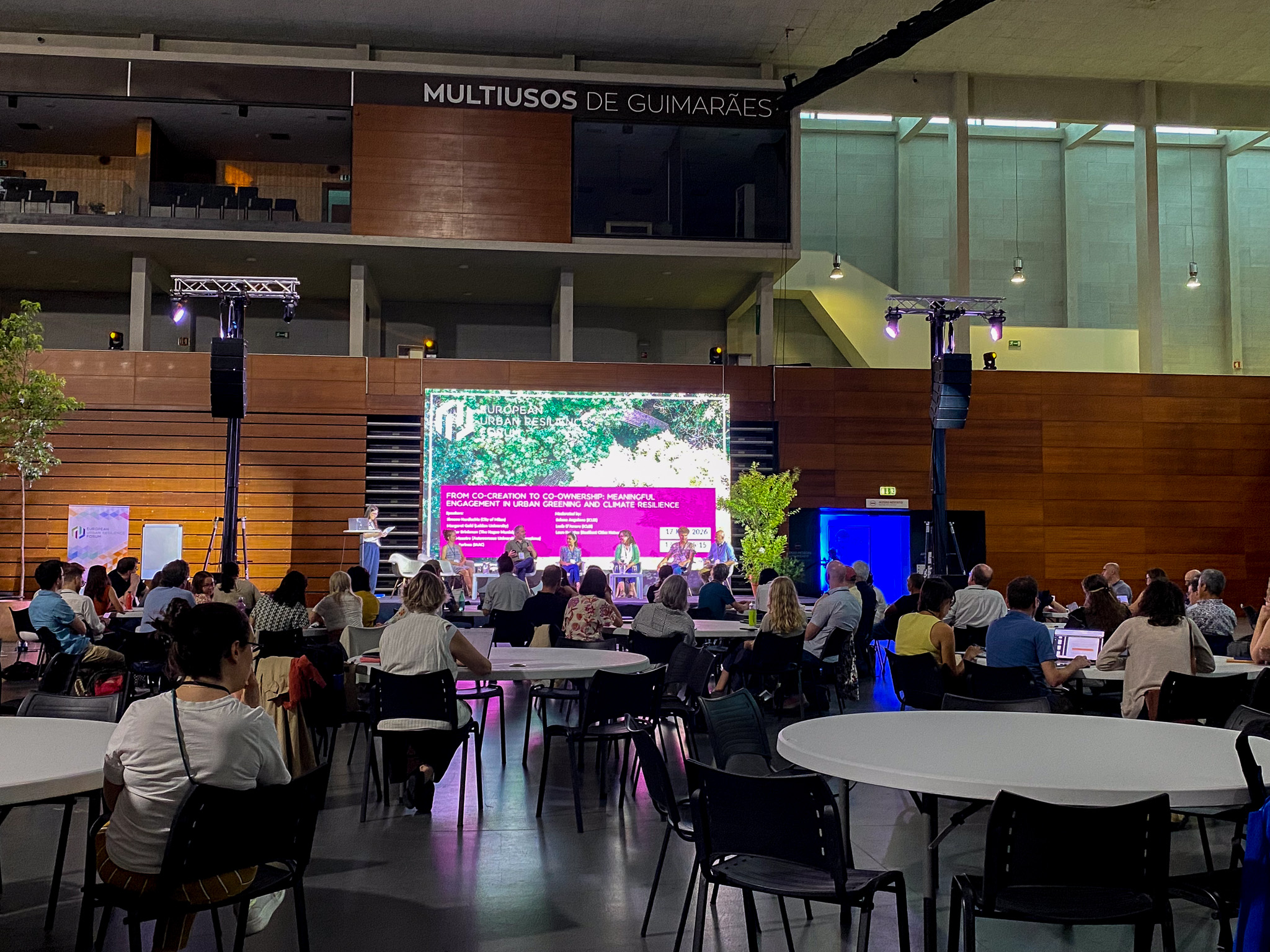
In a session exploring meaningful engagement in urban greening, Margaret Gold shared experiences from Leiden, one of Urban ReLeaf Accelerator Cities, which used to be one of the Netherlands’ most paved cities, demonstrating how citizen science can extend beyond data collection to foster long-term co-ownership of urban nature. Discussions highlighted the importance of recognising diverse forms of knowledge, addressing power imbalances, and ensuring that vulnerable communities are actively involved in shaping urban environments.
In another session on inclusive decision-making, Ema Gonçalves shared how Cascais has used participatory funding to move from planning to implementation, connecting local organisations and communities with municipal priorities. She highlighted the importance of transparency, co-creation, and sustained stakeholder engagement in building trust and ensuring projects deliver long-term impact while remaining aligned with broader policy goals.
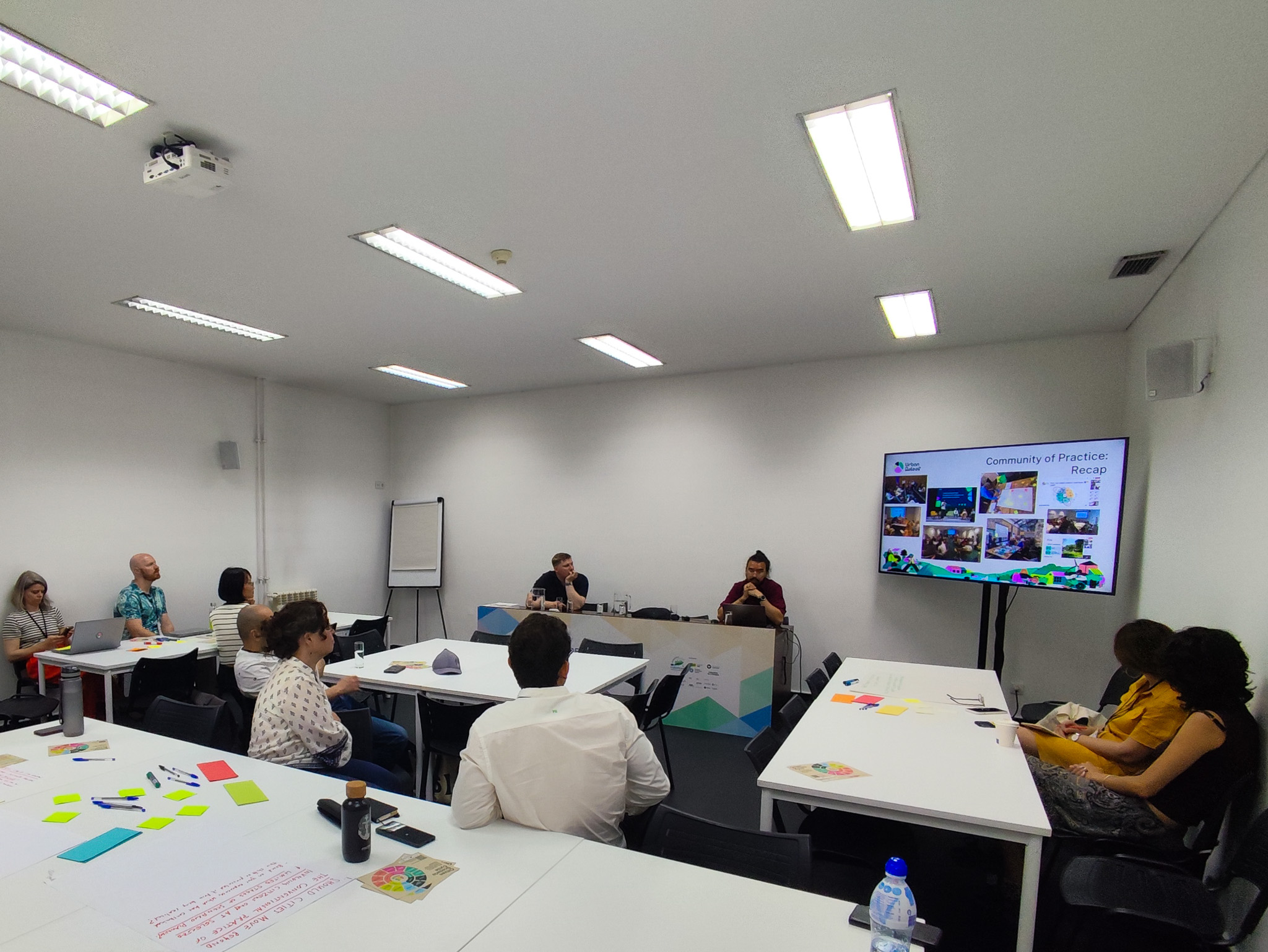
The event concluded with the Urban ReLeaf Community of Practice Forum, one of the project’s final in-person gatherings before its conclusion later this year. Participants validated the project’s Governance Model, Toolkit, Roadmap, and Citizen Scenario Cycle framework while reflecting on the future of citizen science in public authorities. Discussions underscored that building trust, breaking down institutional silos, and creating opportunities for cross-sector collaboration remain essential for embedding citizen science into everyday urban governance.
Across four days of exchange and collaboration, one message stood out in particular: creating climate-resilient cities depends not only on innovative tools and data, but also on sustained collaboration between citizens, researchers, and public authorities. As the project enters its final phase, these conversations will continue to shape how its methods and resources are adopted by cities across Europe.