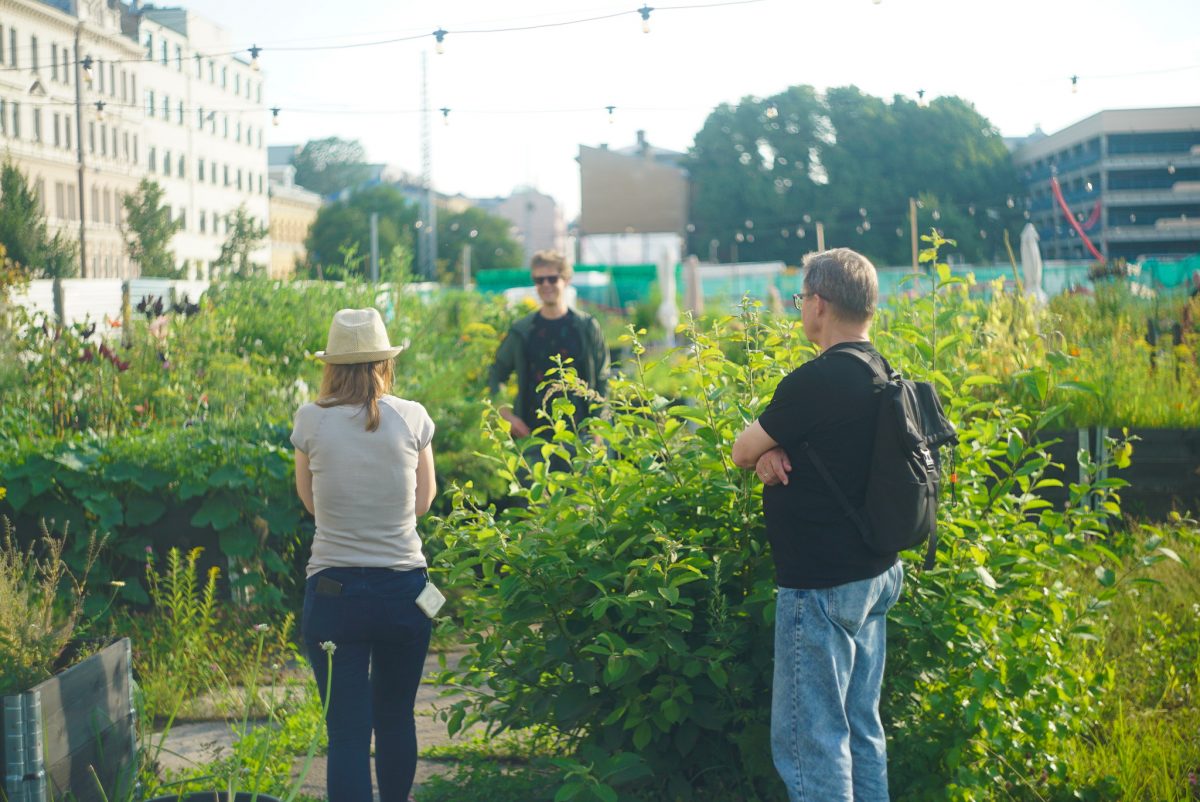
The summer campaign, ‘Take a step towards a greener city’, was a living experiment, combining insights from social science, heat island research, and the importance of citizen involvement in the green transformation of cities.
From June to September, the Riga Team engaged 70 volunteers who collected data while walking around the city with heat and humidity sensors. Nearly 50,000 observations were gathered, providing valuable insight into the city’s heat island effect. Beyond the data, the campaign highlighted something even more significant: strong community engagement and growing public awareness.
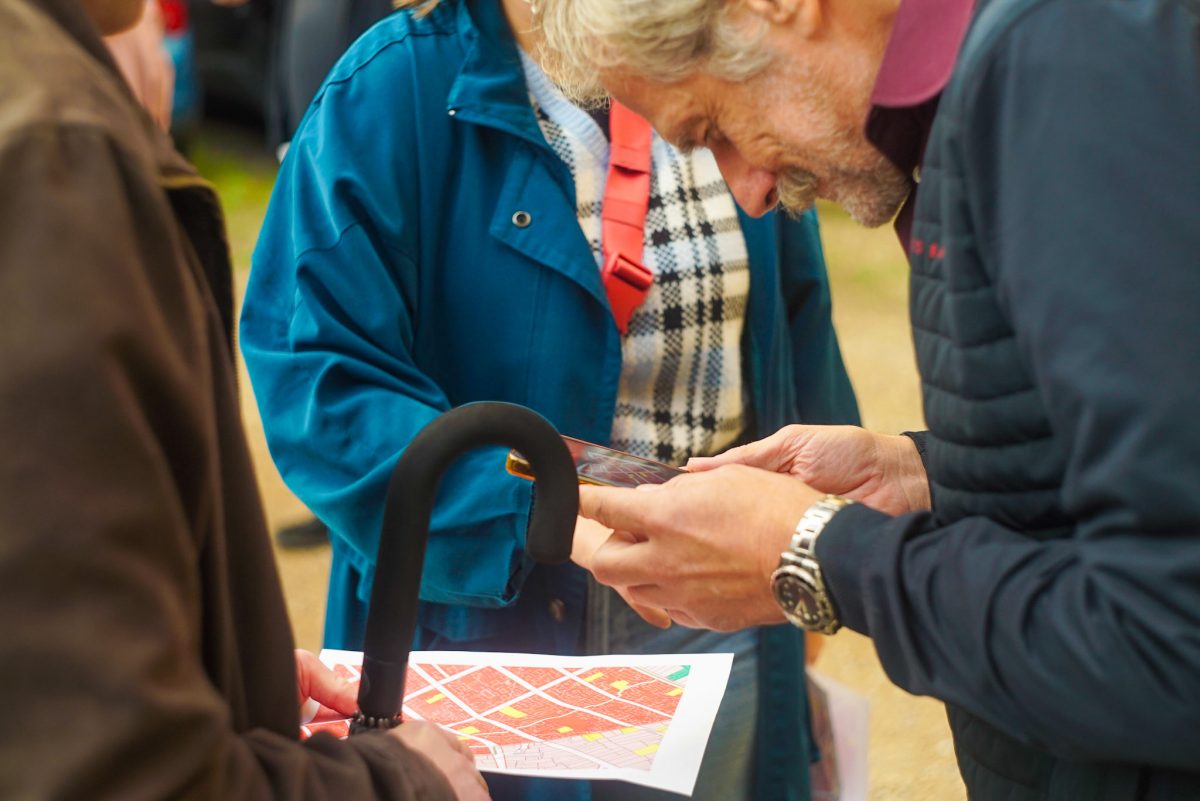
Photo Credits: Nora Gāgane
Early Resident Engagement
When planning began last year, the project’s scientific partners emphasised that community participation and opportunities for social interaction were essential to the success of the campaign. With this in mind, the team focused on designing meaningful and engaging activities that would sustain participants’ interest, encourage enthusiasm for new data-collection tasks, and deepen their connection to the overall process.
At the start of the campaign, residents were encouraged to vote on priority topics, propose their own questions, and share relevant skills or experiences. This early involvement enabled the team to better understand community interests and ensure that the campaign reflected the concerns and motivations of its participants.
Discovering Riga’s Green Spaces
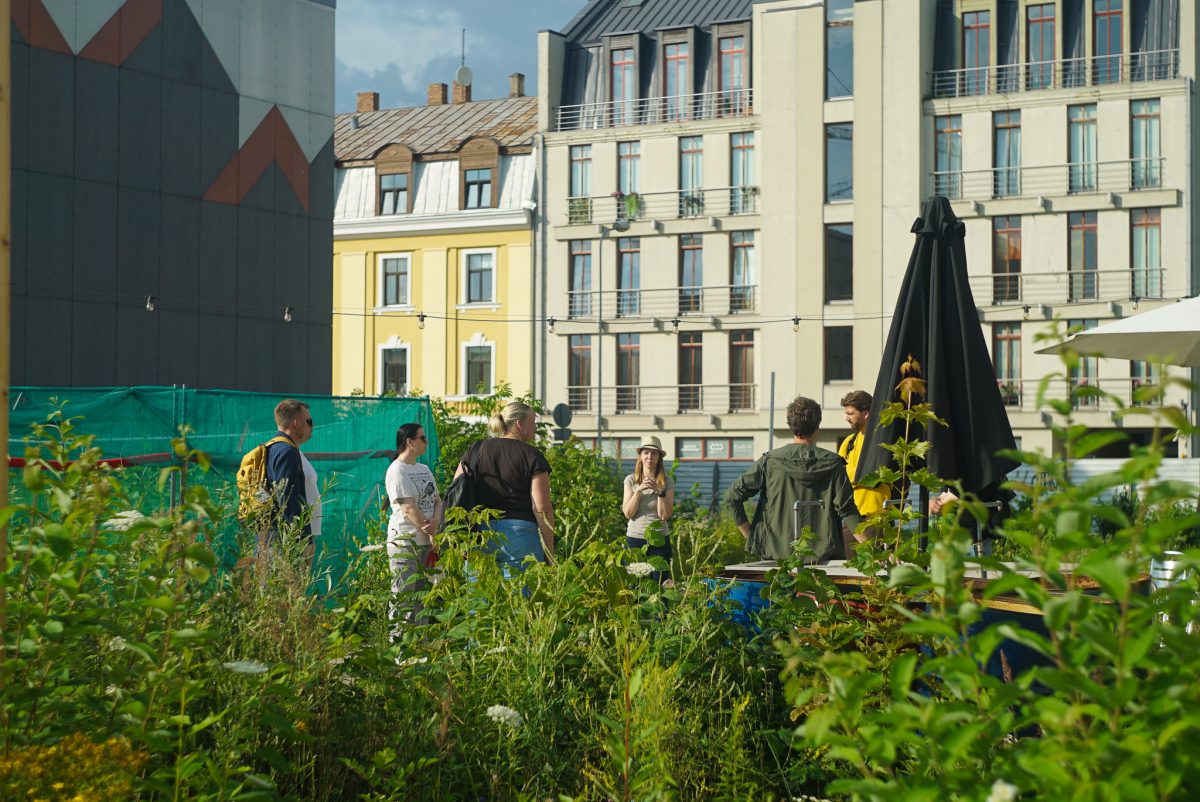
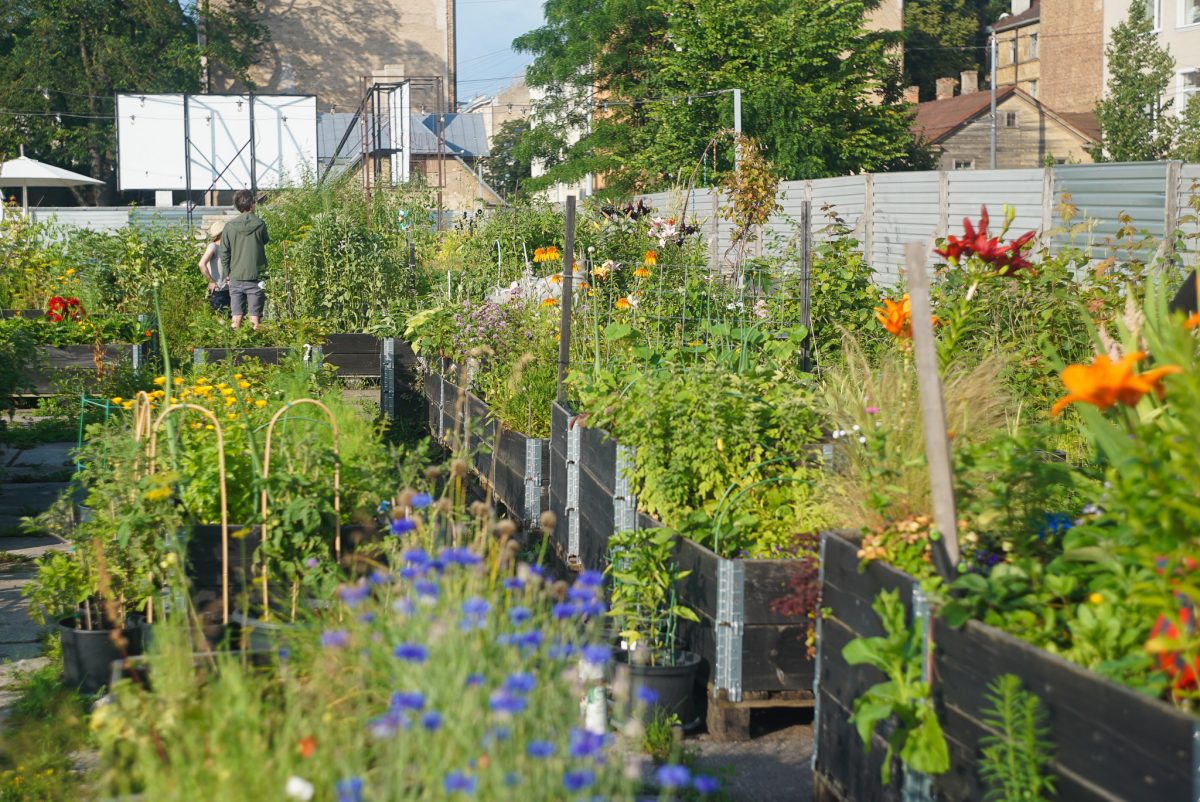
Early engagement events featured a presentation on Riga’s emerging greening plan, a talk by a local scientist on heat-island research using satellite data, and a video message from a University of Latvia professor highlighting the importance of wider public involvement in scientific initiatives. The team also visited the Sports Palace gardens, Riga’s most active urban gardening initiative, where strong community networks, diverse programming, and thoughtful temporary land use offer a compelling example of urban nature in practice.
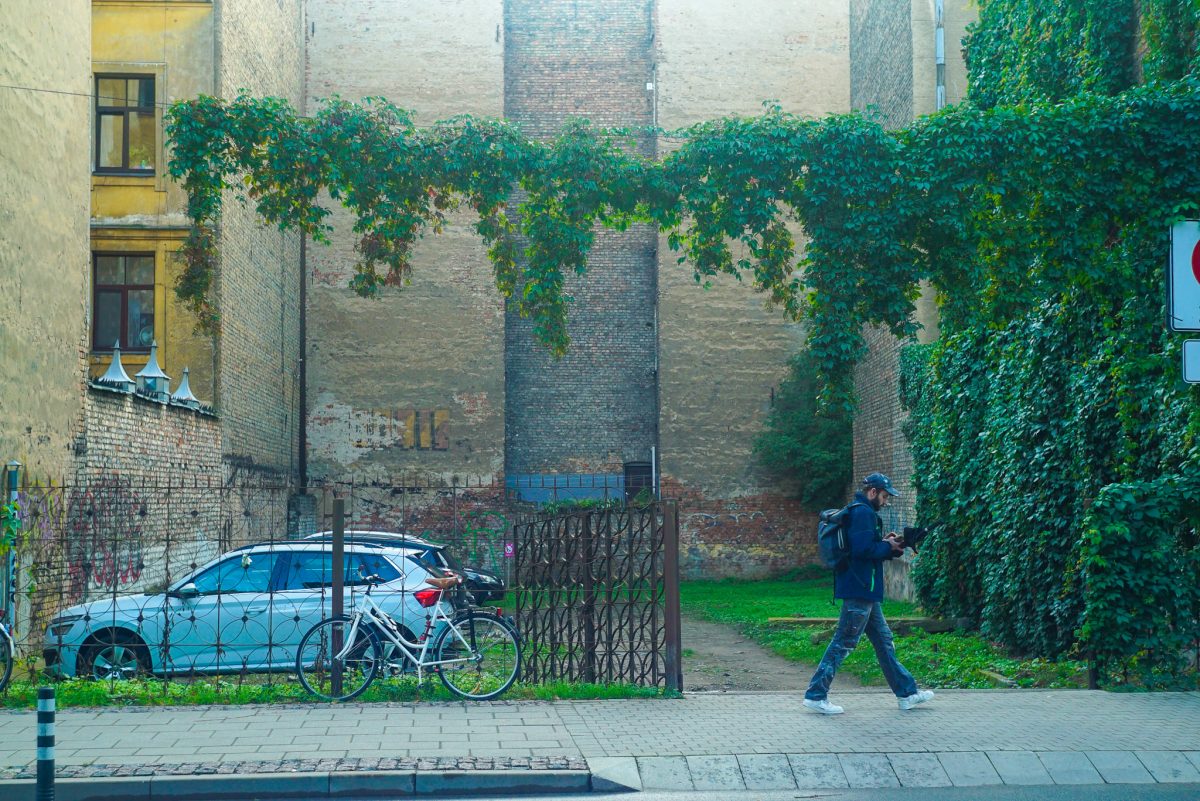
Residents were then invited to explore Riga’s green courtyards and hear stories from those living alongside these urban oases. The walk encouraged participants to consider how their own neighbourhoods could contribute to a cooler, greener, and more vibrant city.
Exploring a Greener Future
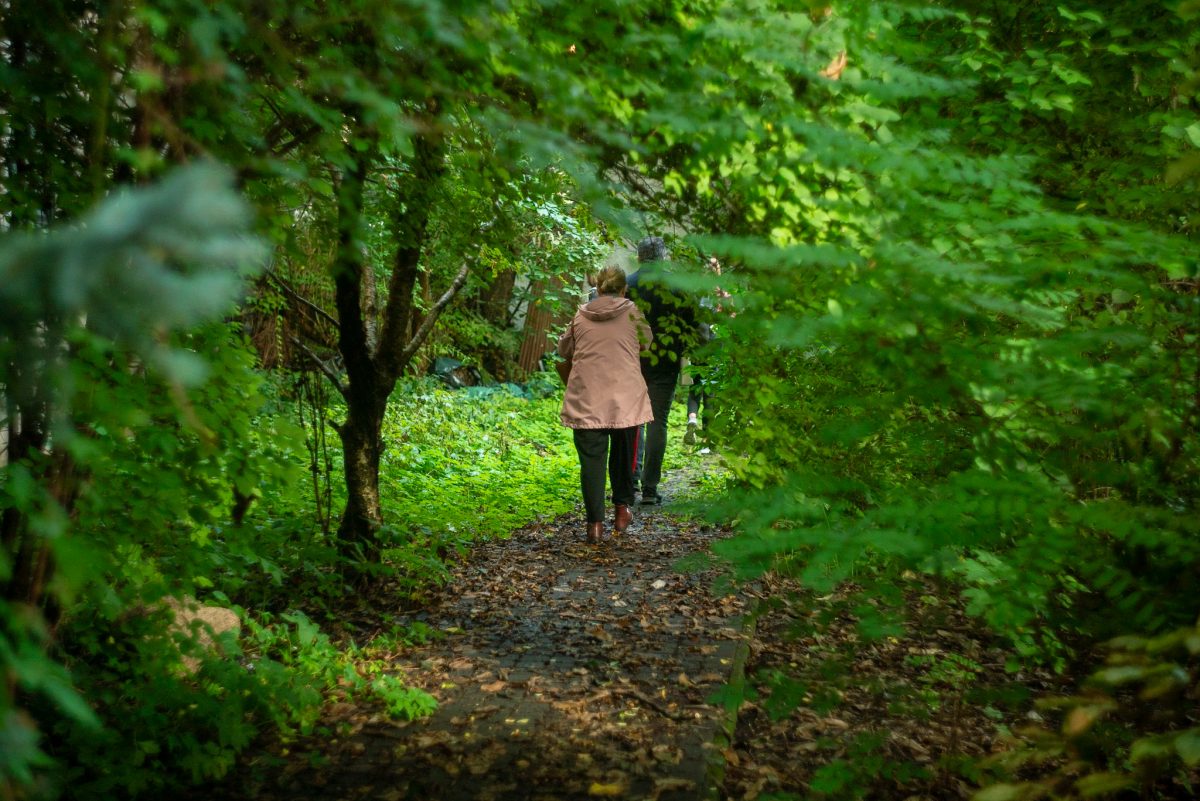
The final activity was a walk along the planned ‘Green String,’ a network of green pedestrian routes connecting the courtyards of the Avotu neighbourhood. The route is intended to provide quieter, greener, and safer alternatives to busy streets, linking residents with Ziedoņdārzs, local schools, and community services.
Existing physical and perceptual barriers currently limit full connectivity, prompting participants to reflect on whether opening private courtyards to the wider community could balance a sense of security with greater access to shared urban green space.
Findings, Future Outlooks, and Collective Insights
At the end of October, the Riga team brought together the residents who took part in the campaign. The closing event began with a discussion on climate change in Latvia, followed by a presentation of the initial findings and a series of pop-up stations led by urban and community experts.
At the first station, a landscape architect introduced practical ways to reduce urban heat islands. At the second, a representative from the neighbourhood residents’ centre discussed community engagement and the support available for bringing local ideas to life. The third station shifted the focus to the participants, who shared proposals for next summer’s campaign and explored activities to deepen resident involvement.
The closing event focused on empowering participants, strengthening connections, and recognising everyone’s contributions.
Find out more
If you are interested in finding out more about the Riga team’s project, please visit: