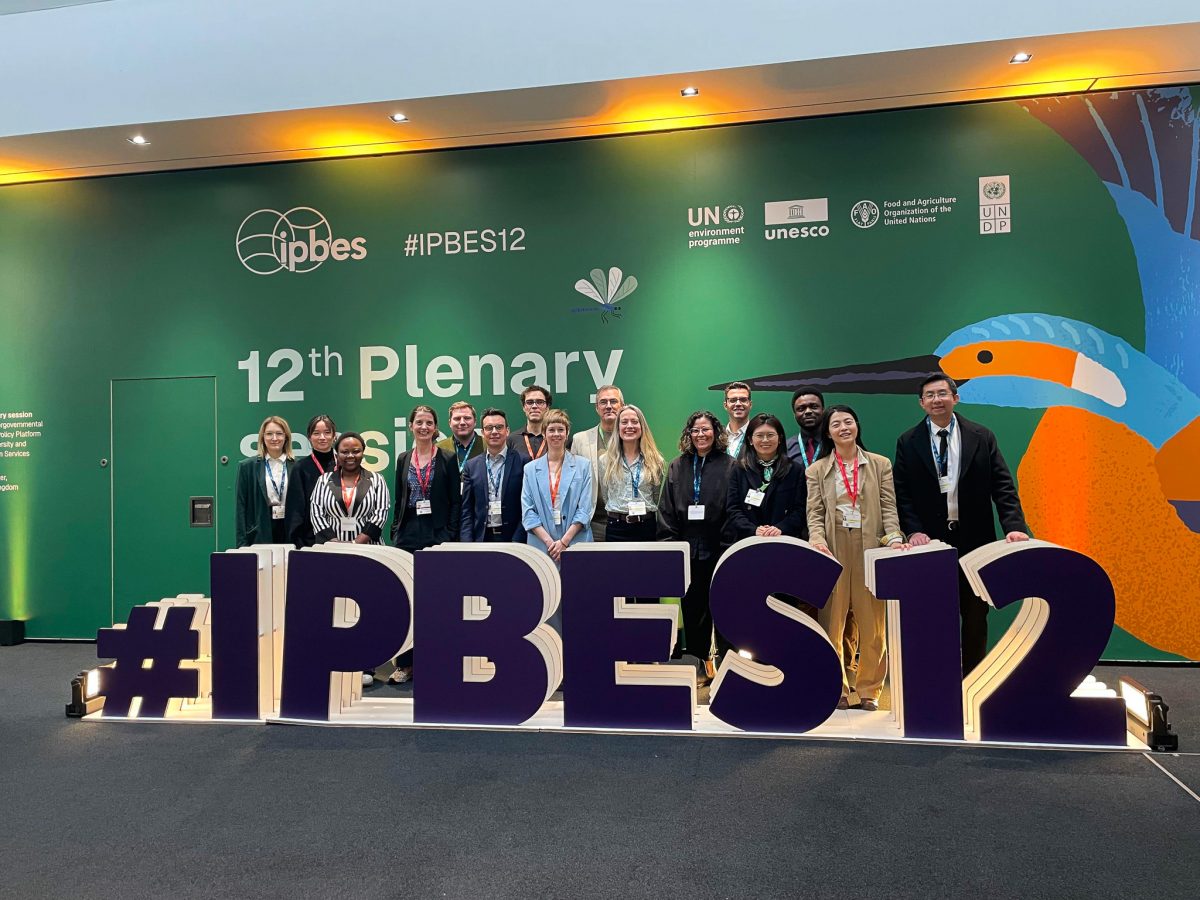
Last month Urban ReLeaf was represented in Manchester at the 12th plenary session of the Intergovernmental Science-Policy Platform on Biodiversity and Ecosystem Services (IPBES-12), (pronounced “ip-bes”). IPBES gathered leading global experts on nature, government representatives, and diverse stakeholders from around the world to advance science-policy dialogue on nature’s contributions to people, by translating scientific knowledge into clear actionable guidance for governments.
Whilst the platform operates on a global level, these are challenges that Urban ReLeaf is also addressing in our pilot cities, through empowering citizen-generated data and working directly with local authorities.
The Business and Biodiversity Assessment
Dr Matt Kirby from the University of Dundee Urban ReLeaf team attended the 12th plenary as part of the Ecosystem Services Partnership and Young Ecosystem Services Specialist delegation.
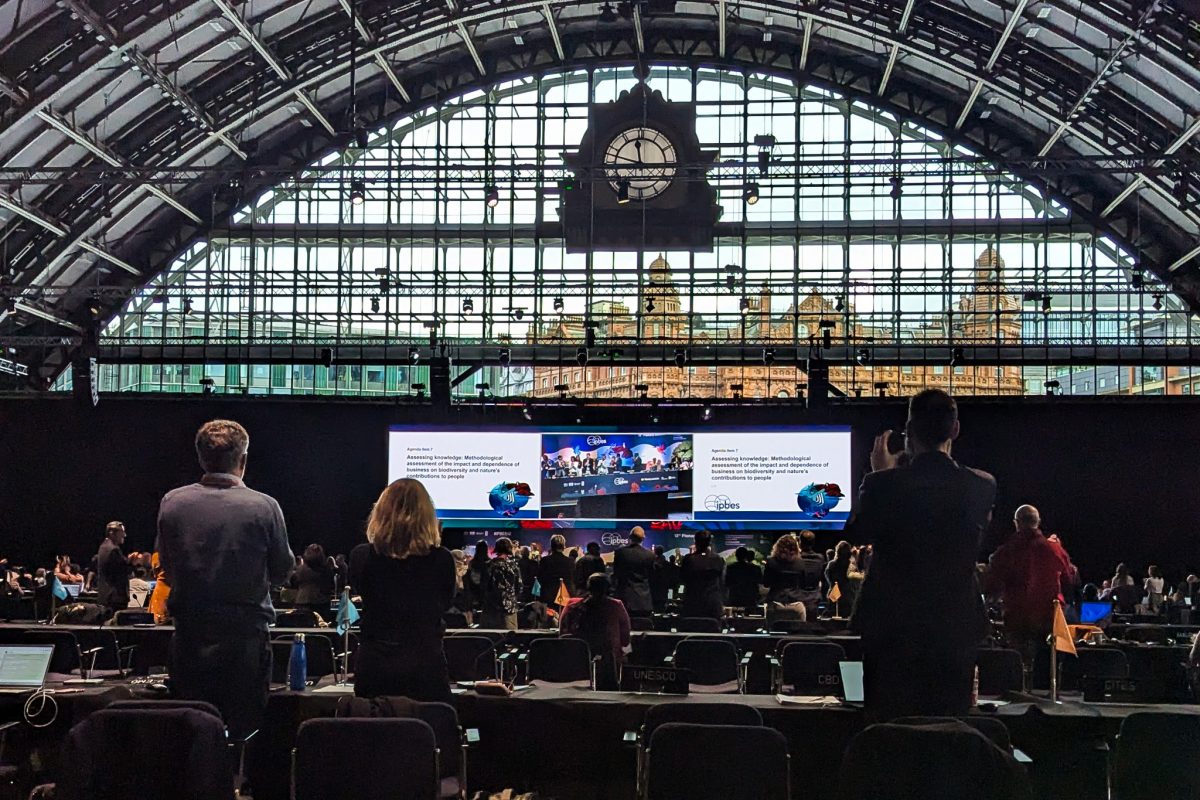
A central focus of this year’s session was on government representatives, from 150 member counties, approving the long awaited summary for policy makers of the Business and Biodiversity assessment. This is a major review and knowledge synthesis examining how economic sectors both depend on and impact biodiversity, and how nature-positive approaches can be scaled to support transformative action. In total, 79 experts from 35 countries reviewed information from over 5,000 references.
Recognising Citizen Science in Global Policy
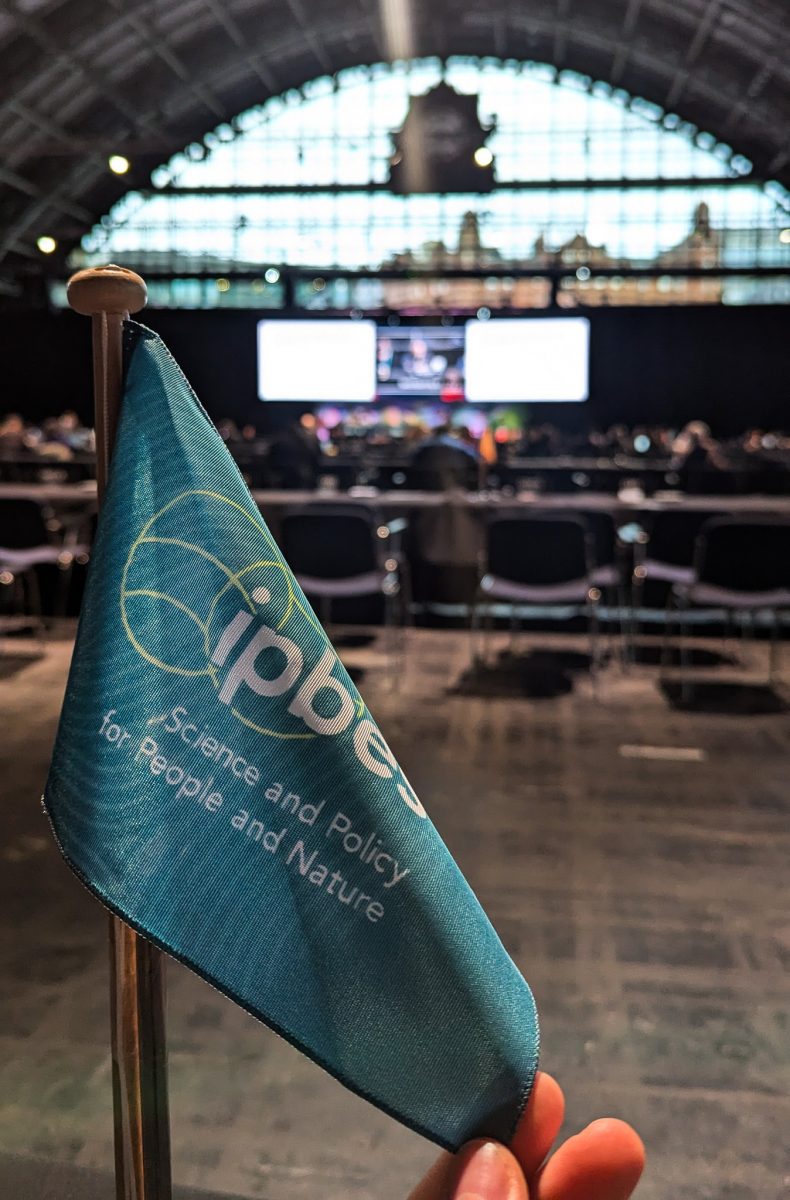
With sessions running late into the night, there was a buzz and anticipation in the air to approve the assessment. Amongst the topics in the assessment was citizen science; the central, overarching method used in Urban ReLeaf.
Late in the penultimate day, one national delegate proposed adding a sentence recognising the role of citizen science. The suggestion gained considerable support from many member states alongside push back from others. After extensive discussion and “informal huddles”, a compromise was reached: to recognising the role of civil society in generating data, knowledge, and capacity “through citizen-based data, in some countries recognized as citizen science.”
It was encouraging to see how important citizen science was to several member states, and to gain insight into the detail at which these summaries for policy makers are negotiated. It also highlights the importance of sharing our successes with international communities at intergovernmental global forums.
The Importance of International Forums
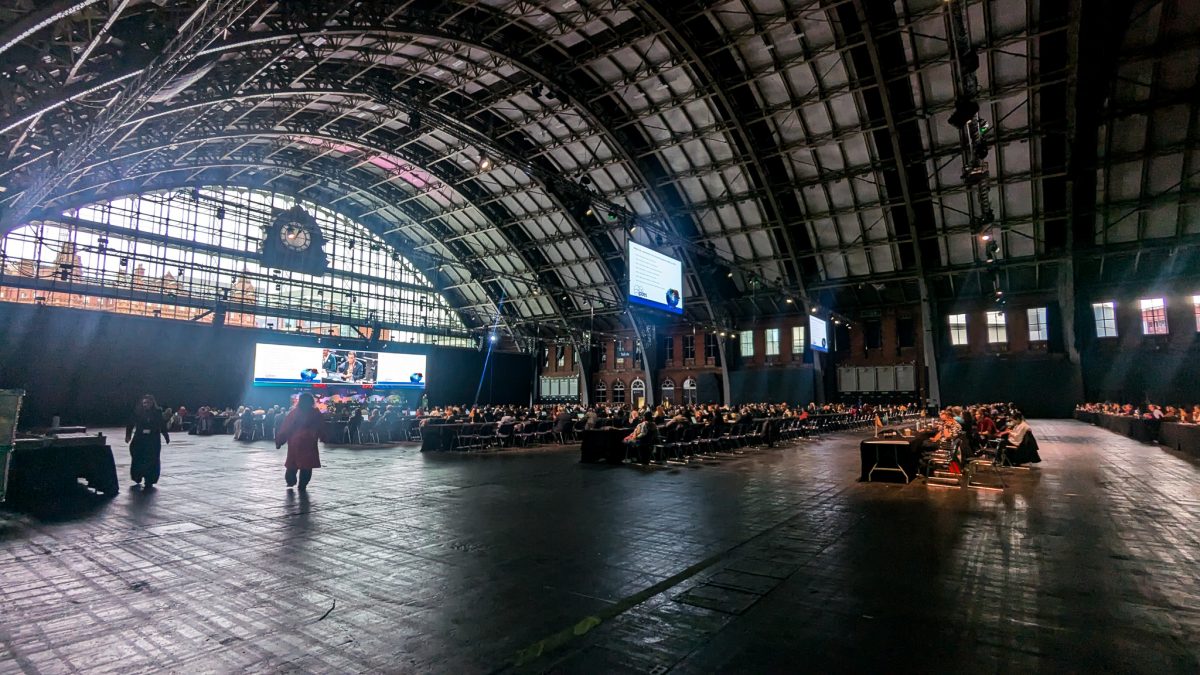
Attending IPBES provided a unique opportunity to engage with government representatives, scientists, and stakeholders to discuss Urban ReLeaf’s work. It allowed connections to be made with international discussions on biodiversity, evidence uptake, and policy relevance. Urban ReLeaf’s mission is to support greener, more resilient cities by mobilising community-generated data and the lessons learned through the project offer opportunities for impact on a global scale.