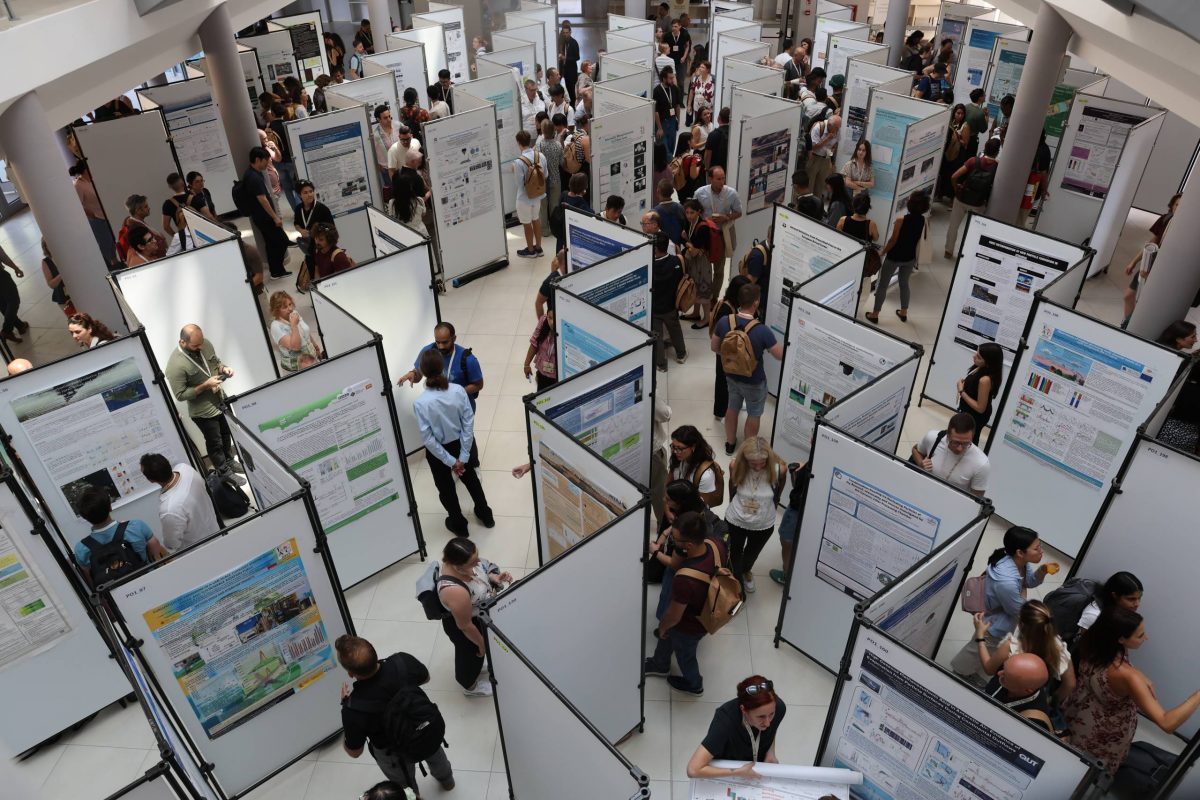
From August 31 to September 5, 2025, NOA participated in the European Aerosol Conference (EAC) in Lecce, Italy, Europe’s leading scientific gathering on aerosol and air quality research.
The event brought together researchers, policymakers, and companies from across the continent, offering a valuable platform to highlight how Urban ReLeaf citizen-driven data can reshape urban environmental monitoring, emphasising the role of greenspaces.
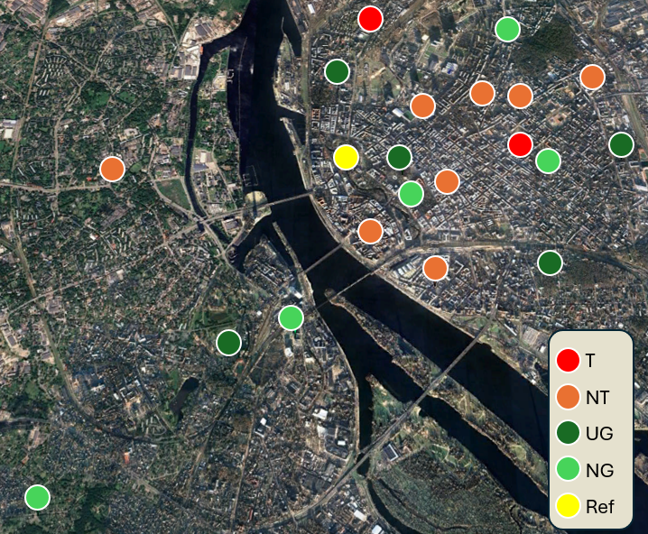
Figure 1. The installed PM2.5 network with 20 sensors in Riga
A study titled “Assessing the impact of urban greenspaces on PM2.5 spatiotemporal variability in Riga, Latvia, via citizen science and low-cost sensors” was presented. The study focused on how strategically deployed low-cost sensors, combined with citizen participation, can reveal fine scale patterns of PM2.5 pollution across different types of monitoring locations.
Urban ReLeaf characterised for the first time the spatial variability of particulate matter concentrations in Riga. The results demonstrated that the calibrated low-cost sensor network can support air quality management and urban planning in the region. By actively engaging residents in data collection, the project not only expands monitoring coverage but also strengthens public understanding of environmental challenges and the role of green infrastructure in addressing them.
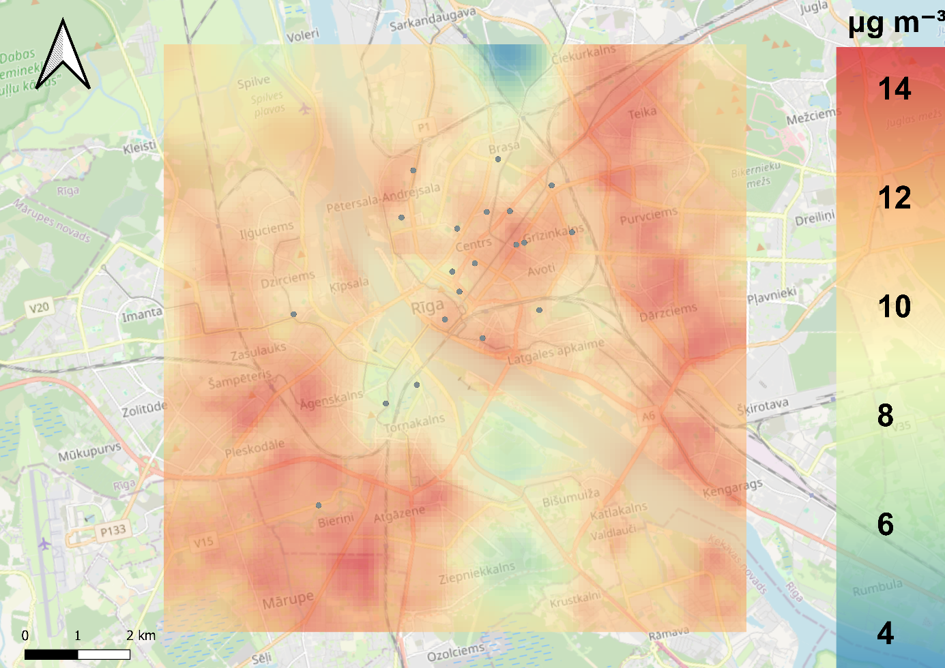
Figure 2. Annual mean PM2.5 spatial variability in the greater area of Riga based on land-use regression modeling
Data from the sensor network showed that sites inside parks and nearby residential areas consistently exhibited lower PM2.5 levels, compared to dense, built-up and trafficked areas. Urban greenspaces appeared to have a mitigating effect for population exposure, which increases at locations within their core compared to their edges.
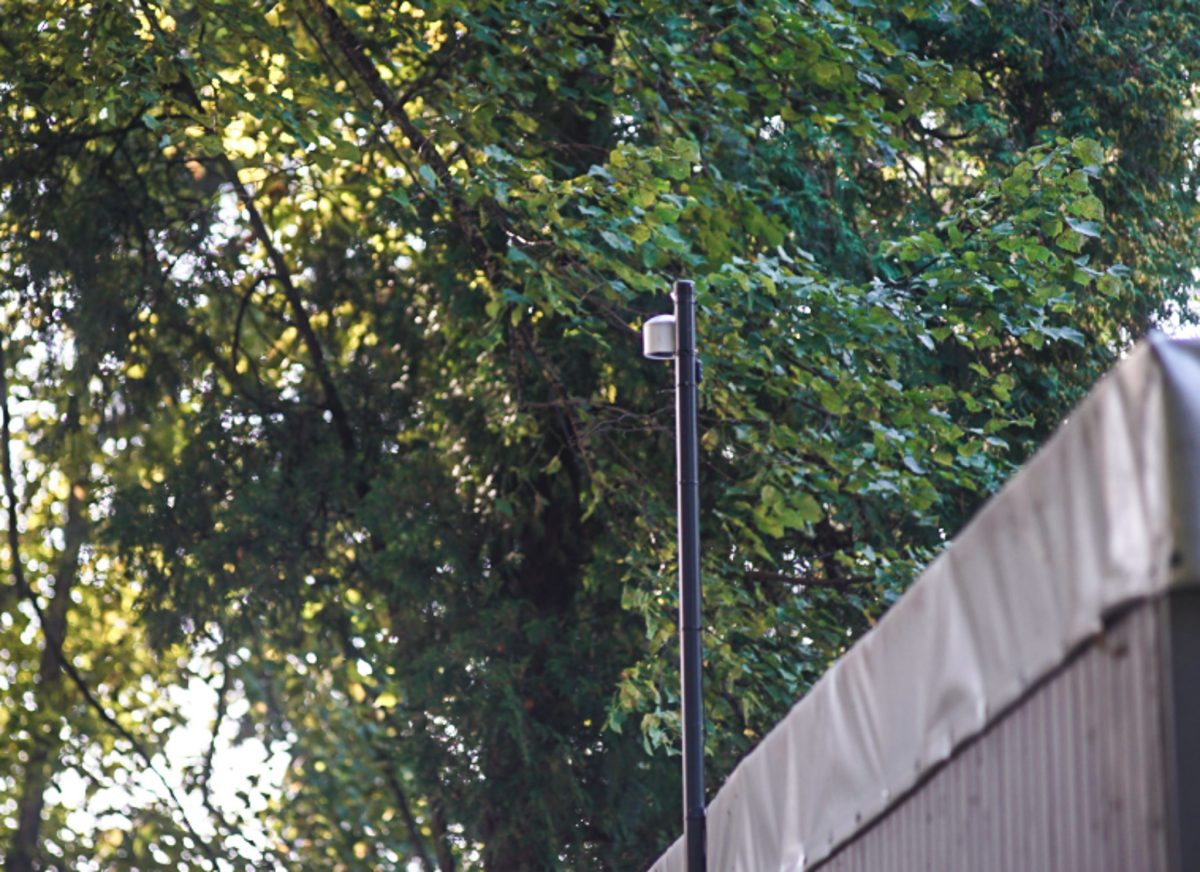
Figure 3. Air quality sensor located at an urban green space [G.G.1] in Riga
Urban ReLeaf’s presence attracted significant attention, sparking discussions on topics such as sensor data reliability and QA/QC, air quality benefits of greenspaces, methodological approaches to characterise the role of vegetation as aerosol sink or source, and the potential for replicating the Riga citizen science approach in other cities.
Overall, Urban ReLeaf’s involvement reaffirms its mission to integrate citizen-generated data with scientific research, fostering informed and sustainable policymaking.