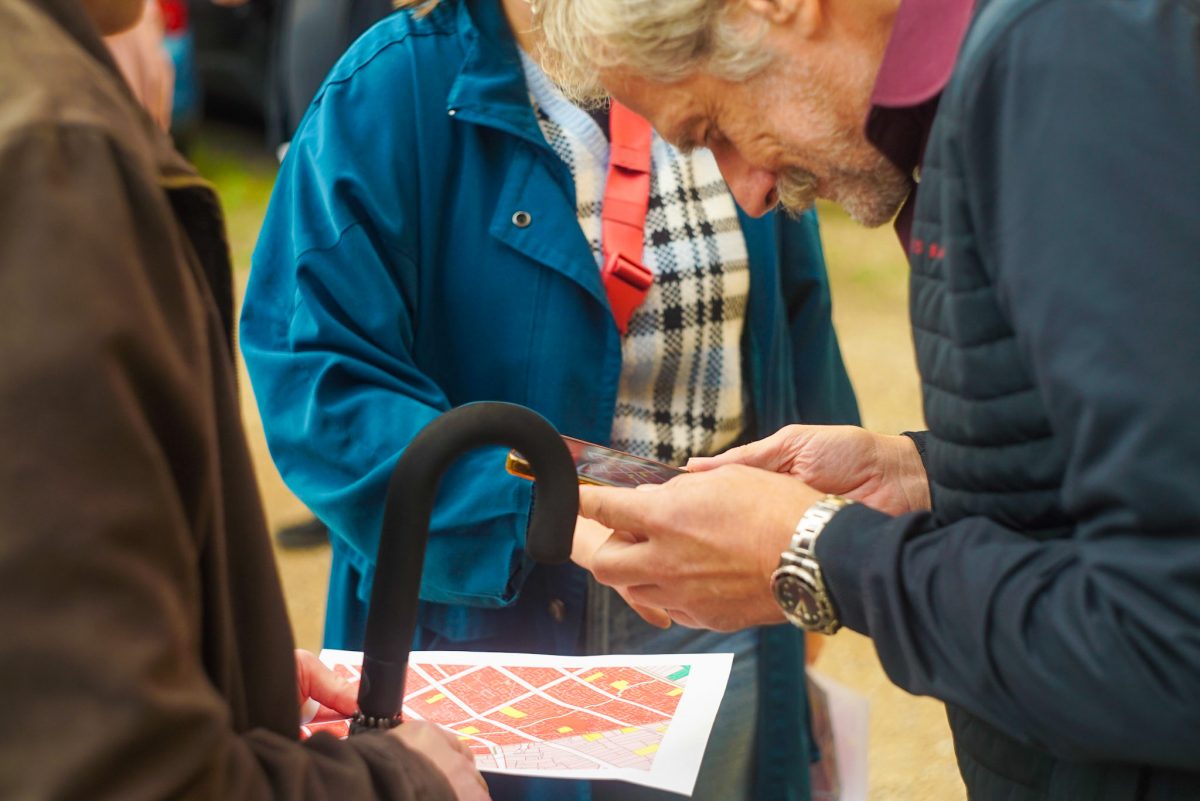
Cities around the world are expected to track sustainability progress, yet the data they rely on is often incomplete, outdated, or disconnected from everyday urban life. A new study by IIASA and UN-Habitat highlights a powerful but underused solution: citizen science.
The analysis finds that citizen science could contribute to nearly 70% of global urban sustainability indicators, placing residents at the center of how cities understand and plan for sustainable development.
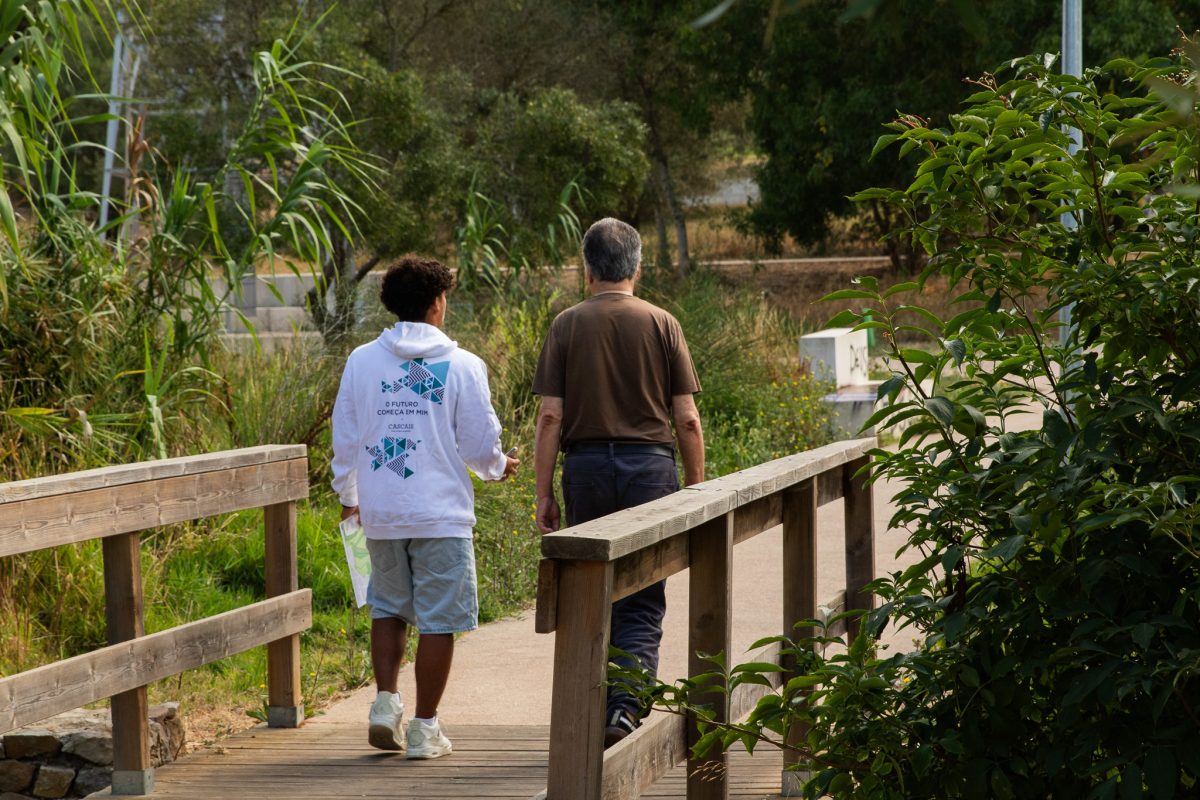
Published in npj Urban Sustainability, the study examined the Global Urban Monitoring Framework, which includes 77 indicators used by cities to measure progress toward sustainable development. The findings point to a clear gap in decision-making. While citizen science aligns with more than two-thirds of these indicators, it currently contributes to only about 4%.
The greatest potential lies in areas where local knowledge is essential. Indicators related to air quality, access to services, public spaces, mobility, and perceptions of safety benefit directly from residents’ observations and experiences. By collecting hyperlocal data and sharing lived realities, communities provide insights that official statistics alone cannot capture.
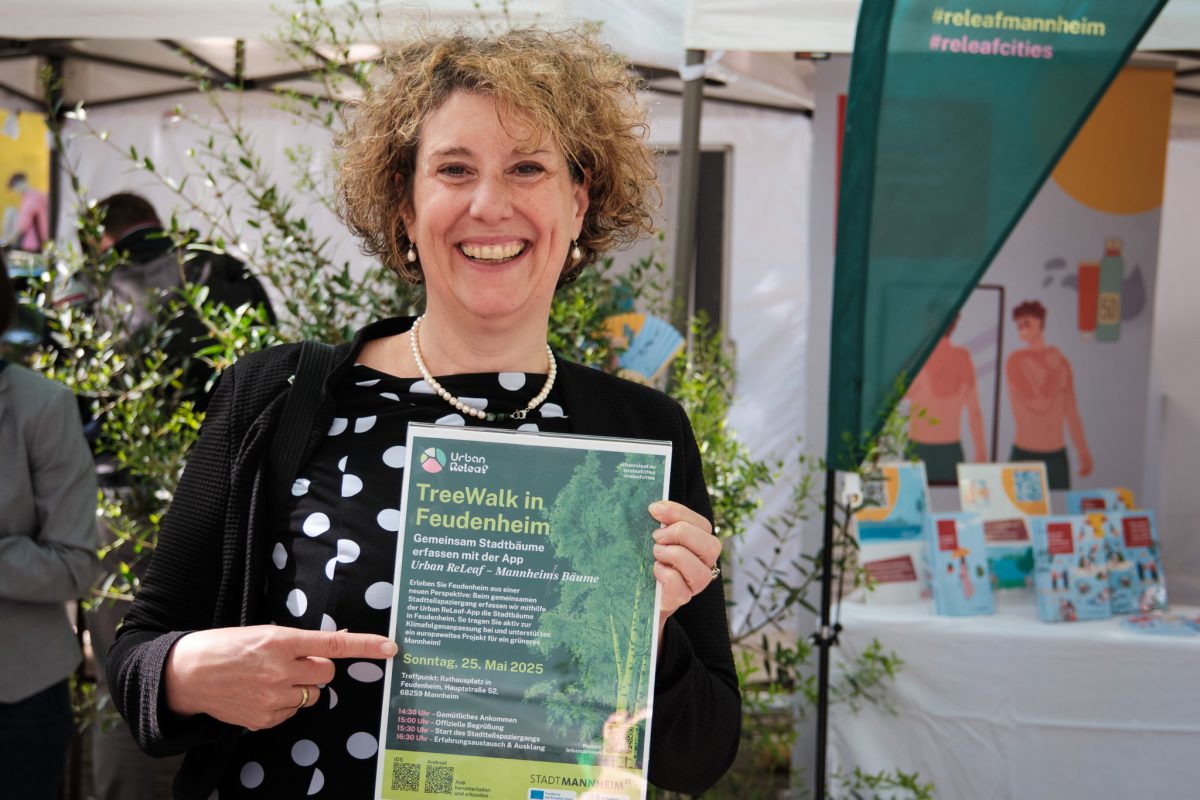
This gap has real consequences. Fewer than 20% of urban indicators are currently reported at the city level across the 466 cities analyzed, limiting cities’ ability to respond effectively to local sustainability challenges. Citizen science data can help bridge this divide, ensuring sustainability assessments reflect conditions on the ground rather than national averages.
The challenge is not a lack of data, but rather integration. Citizen science initiatives already support environmental monitoring, infrastructure mapping, and community wellbeing, yet they often remain disconnected from official planning processes.
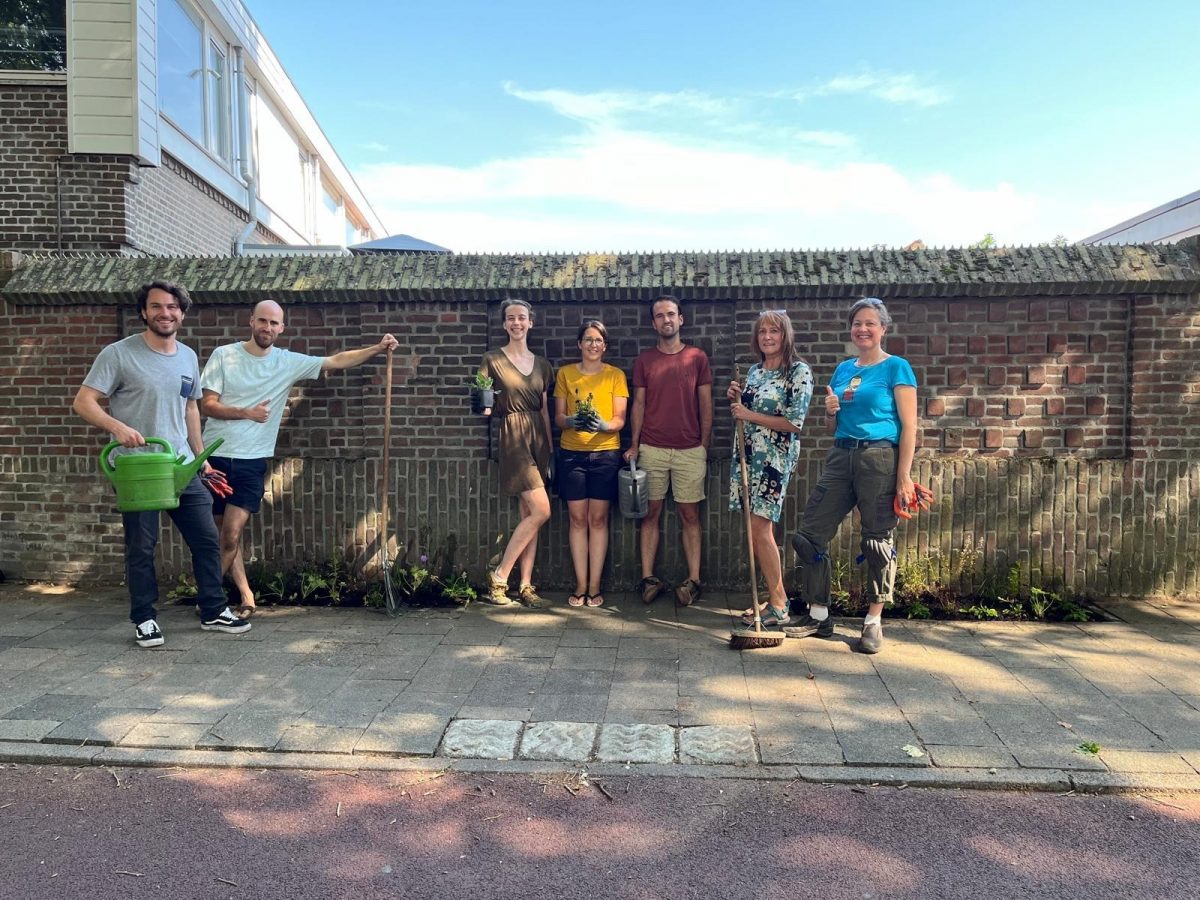
Urban ReLeaf addresses this gap by working with communities to collect and apply geospatial data on public spaces. In doing so, the project shows how citizen science can inform decision-making and help cities turn local and context-sensitiveinsights into action for more inclusive and sustainable urban development.
Further Reading
Moorthy, I., Fraisl, D., See, L., Hager, G., Mwaniki, D., & Ndugwa, R. P. (2025). Opportunities for citizen science within the Global Urban Monitoring Framework. npj Urban Sustainability DOI: https://doi.org/10.1038/s42949-025-00305-w